Introduction
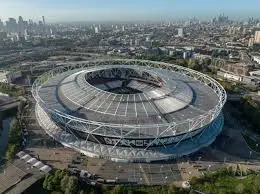
The London Stadium has become an iconic symbol of modern sporting infrastructure in the UK since its transformation into a multisport venue. Originally built for the 2012 Olympics, this stadium has evolved into a hub for sporting events, concerts, and community activities, making it a vital part of London’s sporting landscape. Understanding the role and significance of London Stadium is essential, especially as it continues to host important events and adapt to the needs of various sports.
Key Features and Events
Located in the Queen Elizabeth Olympic Park, London Stadium can accommodate over 66,000 spectators, making it one of the largest stadiums in the UK. After its debut in the 2012 Olympics, the stadium has been extensively used for football, hosting West Ham United FC as its primary tenant. This partnership has significantly contributed to the stadium’s ongoing relevance and popularity.
In addition to football, the London Stadium has embraced diverse events, including rugby matches, concerts, and athletics. For instance, it hosted the World Athletics Championships in 2017, which drew thousands of international spectators and showcased the venue’s versatility.
Looking ahead, the stadium is set to host more significant events, including the Rugby World Cup warm-up matches and various athletics meets, further cementing its role as a prominent venue for sports and entertainment in London.
Challenges and Community Engagement
However, London Stadium has also faced challenges since its opening. Concerns over its financial viability and maintenance costs have sparked discussions among local leaders and stakeholders. There has been a robust debate about the community’s role in the stadium’s operation and how best to integrate local initiatives into the stadium’s future. The local community continues to engage with the venue through various programs, including sports participation schemes and outreach work aimed at promoting health and fitness among young people.
Conclusion
In retrospect, the London Stadium has transformed into more than just a sports venue; it is a celebration of community, culture, and sporting legacy. As it prepares for a full calendar of events ahead, the impact it has made on the community of East London and sports enthusiasts alike cannot be overstated. The continued evolution of London Stadium highlights its potential to adapt and thrive in a rapidly changing sporting environment, ensuring it remains an integral part of London’s cultural and sporting fabric for years to come.
