Introduction
In an era where cyber threats are becoming increasingly sophisticated, incident response plans (IRPs) have emerged as a crucial component for organisations of all sizes. These plans ensure that businesses can effectively manage and mitigate the impacts of security incidents, protecting sensitive data and maintaining operational integrity. With recent high-profile cyberattacks making headlines, the relevance of having a well-defined incident response plan has never been clearer.
Recent Trends and Events
According to the Cybersecurity and Infrastructure Security Agency (CISA), the number of reported cyber incidents rose by over 20% in the last year alone, demonstrating an alarming trend in the frequency and variety of attacks. Noteworthy incidents, such as the Colonial Pipeline ransomware attack and data breaches affecting global corporations, have underscored the critical need for robust incident response strategies.
Organisations worldwide are recognising the need to prepare for potential lapses in security, which is reflected in increasing investment in cybersecurity measures. A report from Cybersecurity Ventures estimated that global spending on cybersecurity would exceed $1 trillion between 2021 and 2025, with a significant portion allocated to developing and updating incident response plans.
Components of an Effective Incident Response Plan
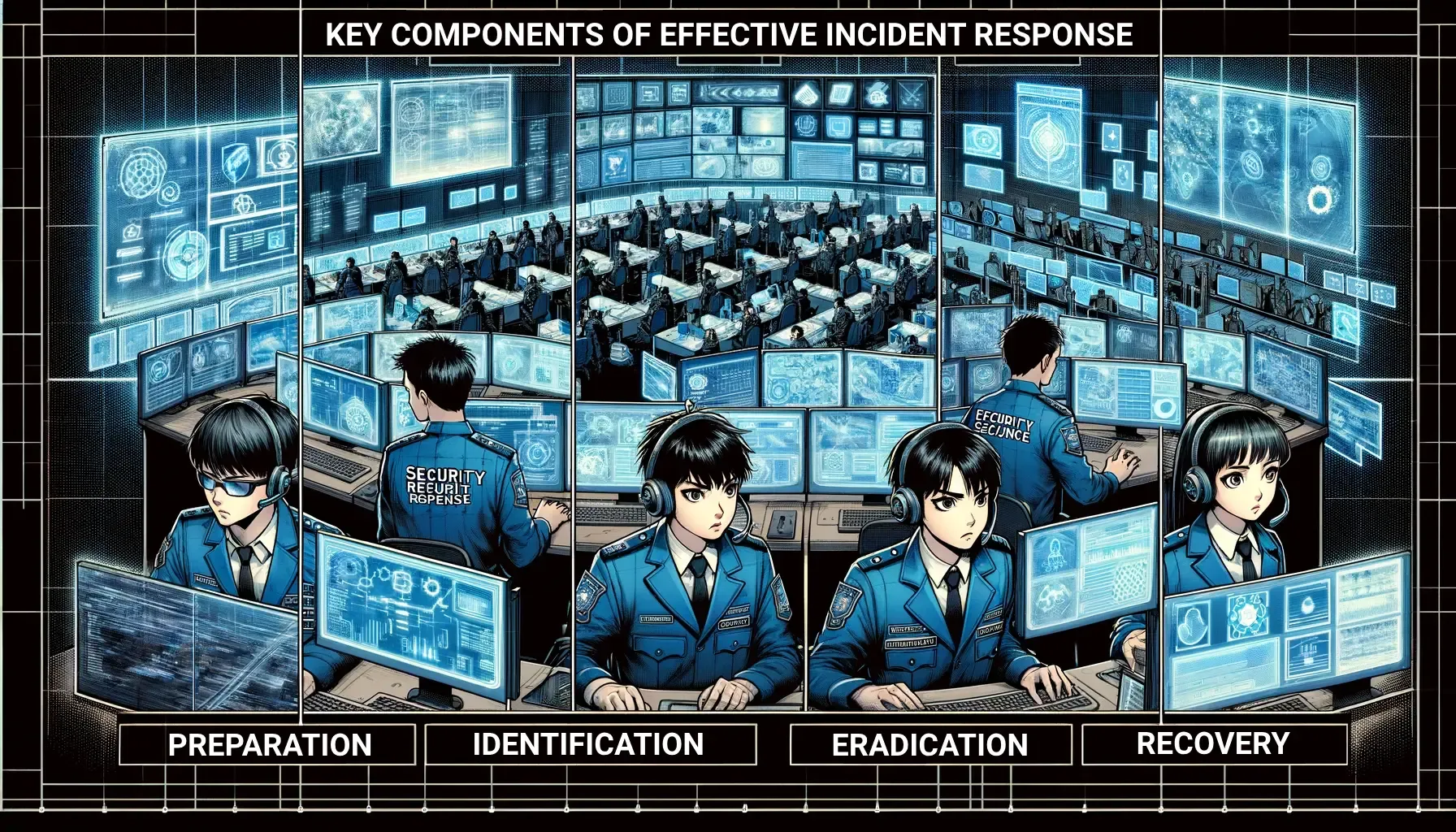
An effective incident response plan typically includes several key components:
- Preparation: Establishing a response team and conducting regular training.
- Identification: Detecting and determining the nature of security incidents.
- Containment: Limiting damage and preventing further harm during an incident.
- Eradication: Removing the cause of the incident from the environment.
- Recovery: Restoring and validating system functionality for normal operations.
- Lessons Learned: Reviewing the incident to improve future response capabilities.
Conclusion
The increasing sophistication of cyber threats makes it essential for organisations to prioritise their incident response plans. As the digital landscape continues to evolve, embracing a proactive and comprehensive IRP will not only safeguard sensitive information but also enhance an organisation’s resilience against future incidents. In today’s digital age, the implementation of an effective incident response plan is no longer optional—it’s a vital part of corporate strategy that can ultimately determine an organisation’s ability to survive a cyber crisis.
