Introduction
Bristol Zoo, established in 1836, holds a vital place in the history of wildlife conservation in the UK. As one of the oldest zoos in the world, it has played a significant role in breeding endangered species, educating the public about wildlife, and contributing to conservation efforts globally. The relevance of Bristol Zoo has surged recently as it navigates the challenges of sustainability and adaptation in the modern conservation landscape.
Recent Developments
In recent years, Bristol Zoo has been undergoing a significant transformation. As of 2022, the zoo announced plans to close its doors at its Clifton site, where it has been located for nearly 200 years, due to financial challenges exacerbated by the COVID-19 pandemic. Instead, the zoo intends to focus its resources on a new venture, the Bristol Zoo Project, which aims to create a modern wildlife park at a larger site in the city’s outskirts. This innovative project promises to expand facilities and enhance animal habitats, while also prioritising conservation and education.
Conservation Efforts
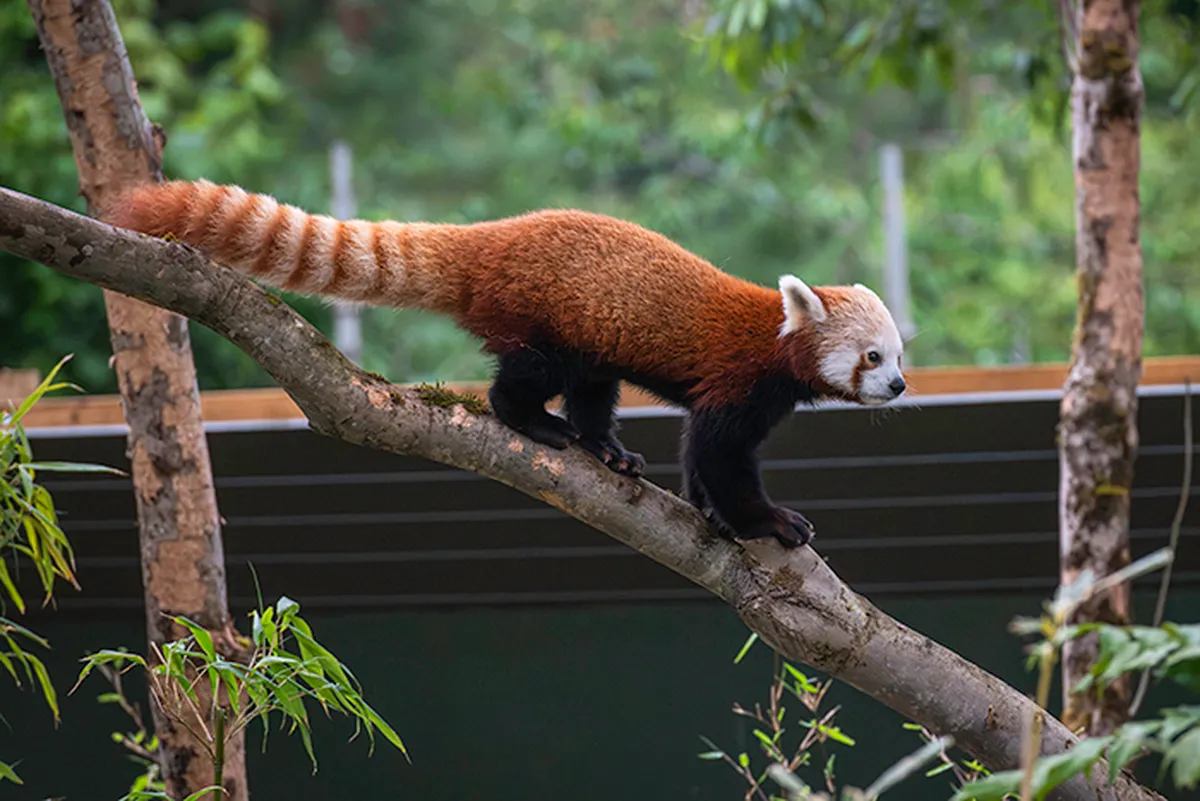
Bristol Zoo has been actively involved in several conservation initiatives, both locally and globally. The zoo is recognised for its breeding programmes for endangered species, including the critically endangered Madagascan lemur and the Sumatran tiger. In addition to breeding efforts, the zoo collaborates with various conservation organisations to support wildlife protection in their natural habitats. The impact of these efforts is multi-fold, contributing to biodiversity, habitat restoration, and species survival.
Community Engagement and Education
As part of its mission, Bristol Zoo offers educational programmes aimed at raising awareness about wildlife conservation among school children and local communities. Activities such as interactive workshops, guided tours, and conservation days engage the public in hands-on learning experiences. The shift to the new wildlife park is expected to enhance these educational offerings, allowing for more interactive exhibits and a greater focus on sustainable practices.
Conclusion
The future of Bristol Zoo, with the transition to the Bristol Zoo Project, signifies a new chapter in its longstanding legacy of conservation. This shift not only underscores the importance of adapting to environmental challenges but also highlights the need for continuous public engagement in wildlife conservation. As Bristol Zoo adapts to contemporary requirements, it is poised to remain a crucial hub for conservation efforts, educational outreach, and awareness-raising on the vital need to protect wildlife for future generations.
