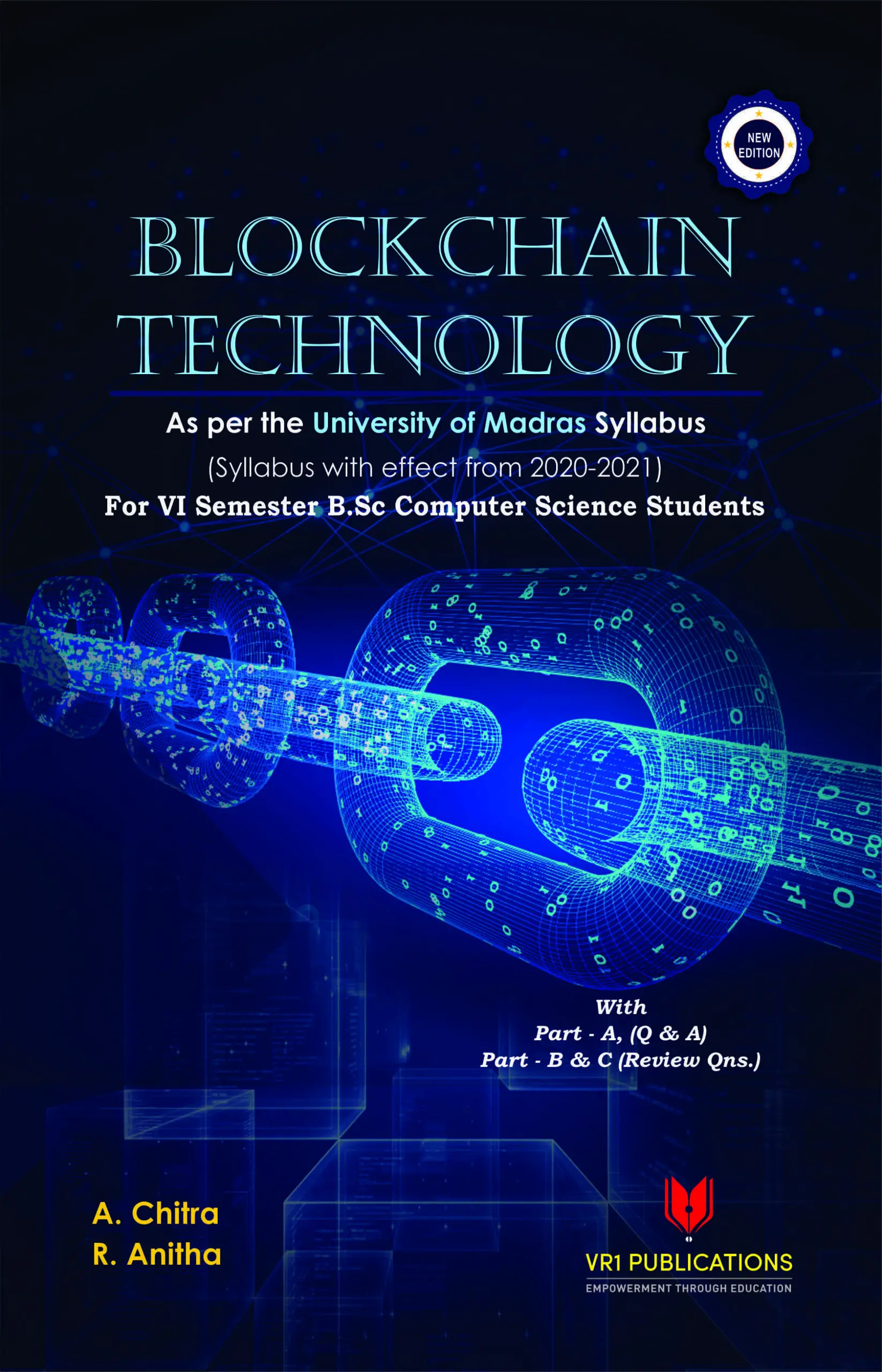
Introduction to Blockchain Technology
Blockchain technology has rapidly emerged as a pivotal innovation in the digital age. At its core, blockchain is a decentralized ledger system that securely records transactions across multiple computers, ensuring that the data cannot be altered retroactively without the consensus of the network. This core feature makes blockchain beneficial for a multitude of applications, promoting transparency, security, and efficiency. As we advance further into the 21st century, the implications of blockchain technology are becoming increasingly relevant to businesses, governments, and individuals alike.
Current Developments in Blockchain
As of late 2023, many industries are harnessing the power of blockchain technology. The financial services sector is perhaps the most notable, with many banks and financial institutions exploring blockchain for efficient transaction processing and fraud prevention. For example, several major banks have begun using blockchain to streamline cross-border payments, allowing transactions to settle in real time rather than days.
Meanwhile, supply chain management is another area undergoing transformation due to blockchain. Companies increasingly employ the technology to track goods from their origin to the consumer, enhancing accountability and traceability. In healthcare, blockchain is being tested to secure patient records, ensuring data privacy while allowing for seamless sharing among healthcare providers.
Challenges and Future Prospects
Despite the promising advancements, blockchain technology faces numerous challenges. Scalability issues, regulatory concerns, and energy consumption are critical discussions among stakeholders. Many developers are tackling scalability by improving consensus mechanisms, while regulatory bodies are beginning to draft guidelines that would foster innovation while protecting consumers.
The forecast for blockchain technology remains optimistic, with expectations for its integration across diverse sectors. Research indicates that the global blockchain market could be valued at $163 billion by 2027, driven by increasing adoption across various industries.
Conclusion
In conclusion, blockchain technology is poised to revolutionise multiple sectors by enhancing security, transparency, and efficiency. As organisations continue to explore its potential, individuals are encouraged to remain informed about the evolving landscape and implications for the future. The adoption of this technology will not only transform industries but also redefine how we interact and trust one another in an increasingly digital world.
