Introduction
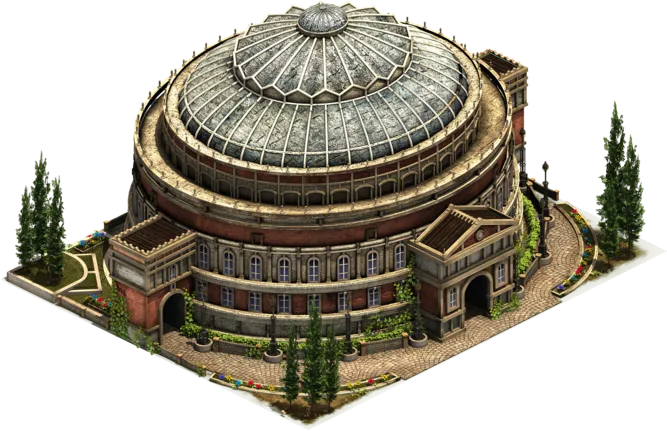
Opened in 1871, the Royal Albert Hall has become one of the most iconic venues in London, renowned for its stunning Victorian architecture and diverse events. As a cultural landmark, it plays a pivotal role in the UK’s arts scene, hosting a wide range of performances including concerts, ballets, and theatre productions. Its importance extends beyond just entertainment; it represents the rich historical tapestry of British music and creativity.
Historical Significance
The Royal Albert Hall was commissioned by Prince Albert, the consort of Queen Victoria, in memory of his vision to promote the arts and sciences. Located in South Kensington, the Hall’s distinctive circular design and glass and iron structure were innovative for its time. Over the decades, it has seen countless illustrious performances, from the first Albert Hall Promenade Concerts to the annual Royal Varieties Performance.
Recent Events and Developments
In recent months, the Royal Albert Hall has continued to adapt and innovate amidst changing circumstances. In response to the ongoing impacts of the COVID-19 pandemic, the venue implemented strict health protocols and modified seating arrangements to ensure safety while allowing audiences to enjoy live performances again. Noteworthy events included a full return of the BBC Proms in July 2022, celebrating their 125th anniversary with a diverse array of musical offerings, from classical masterpieces to contemporary works that resonate with modern audiences.
Additionally, the Hall has embraced digital trends, offering live streaming options for those unable to attend in person, thus ensuring that performances remain accessible to a global audience. Collaboration with various artists and orchestras has only enriched its programme, signifying the Hall’s commitment to showcasing a blend of traditions and innovations.
Conclusion
The Royal Albert Hall stands as a testament to the endurance of culture and the arts in the face of challenges. With its storied history and dynamic present, the Hall continues to be a cornerstone of London’s artistic community. Looking ahead, it is poised to embrace further technological advancements, ensuring that the cultural experiences it offers are as inclusive and varied as possible. For residents and visitors alike, the Royal Albert Hall remains not only a place of entertainment but also a hub of shared experiences, memories, and communal celebration of art.
