Introduction
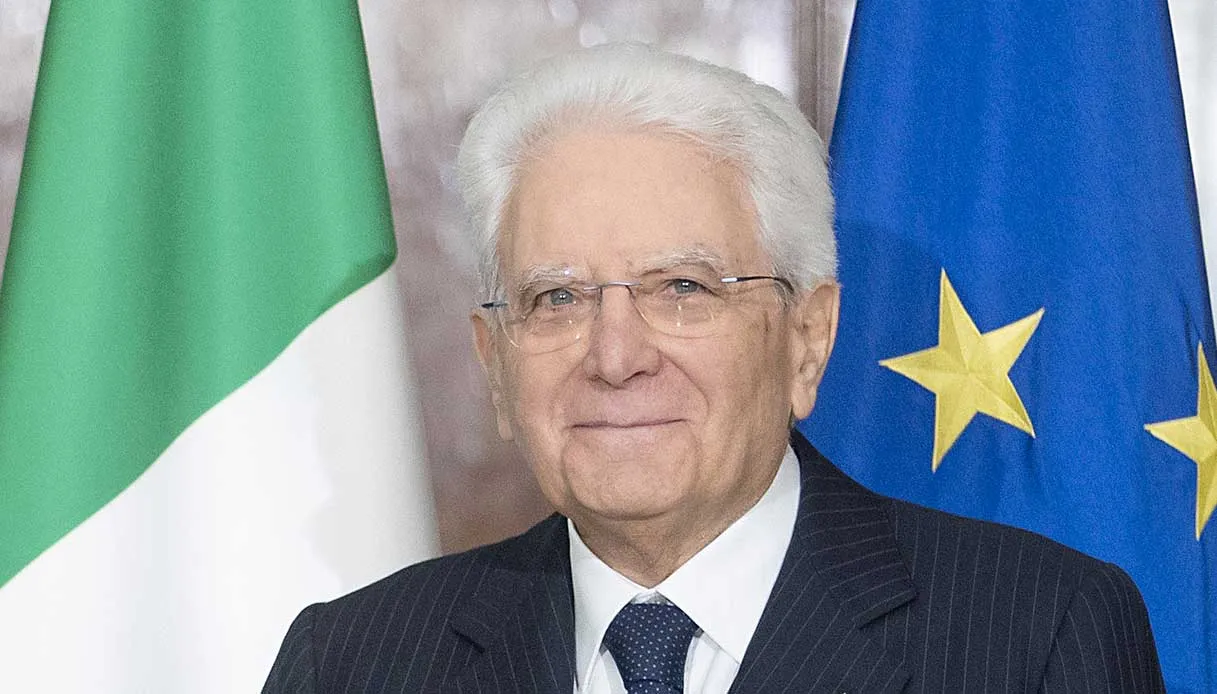
Sergio Mattarella, Italy’s President since 2015, plays a crucial role in the political landscape of Italy. As the head of state, his position is largely ceremonial; however, in a time of political instability and challenges, his leadership and influence have become increasingly vital. Understanding Mattarella’s presidency offers insights into Italy’s current affairs and its future trajectory.
The Early Life and Political Career of Sergio Mattarella
Sergio Mattarella was born on July 23, 1941, in Palermo, Italy. He comes from a politically active family, with his father being a prominent politician. Mattarella studied law at the University of Palermo and began his political career in the early 1980s. Over the decades, he held various positions, including Minister for Education and Minister for Defence, showcasing his versatility and commitment to public service.
The Presidency
Mattarella became President of the Italian Republic on February 3, 2015, after being elected by Parliament. His presidency has been marked by a dedication to unity and stability in a country that has faced challenges such as economic struggles, immigration issues, and political fragmentation. In 2020, he was reelected for a second term, further affirming his position as a stabilising force in Italian politics.
Recent Developments and Challenges
In recent months, Italy has been grappling with various challenges, including economic recovery post-COVID-19, rising inflation, and public confidence in government leadership. Mattarella has remained a vocal advocate for social cohesion and the protection of democratic values. His efforts to mediate between various political factions have been noted, particularly as Italy approaches elections, where the potential for significant shifts in power could occur.
Conclusion
The ongoing significance of Sergio Mattarella in Italian politics cannot be overstated. As the future of Italy continues to unfold with potential challenges ahead, he remains an essential figure capable of fostering dialogue and steering the nation towards harmony and progress. For citizens and observers alike, understanding his influence will be key to interpreting Italy’s evolving political landscape in the years to come.
