Introduction
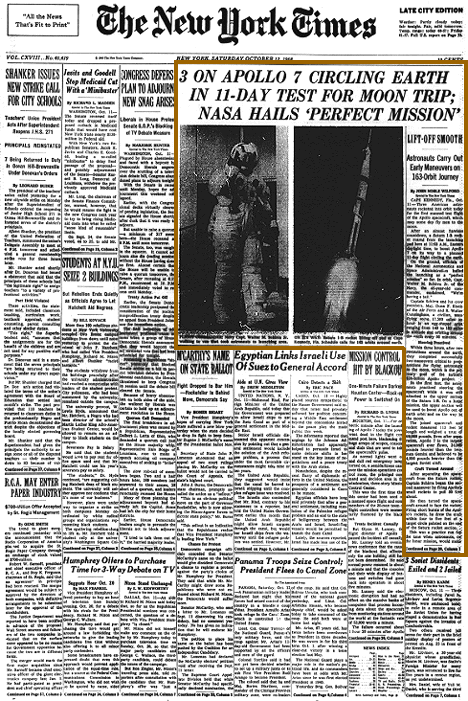
The New York Times (NYT) has been a cornerstone of American journalism since its establishment in 1851. Known for its comprehensive news coverage, in-depth reports, and commitment to journalistic integrity, the publication has played a crucial role in shaping public discourse both domestically and globally. In an era where misinformation can spread rapidly, the relevance of established news authorities like The New York Times is more important than ever.
Recent Developments at The New York Times
In 2023, The New York Times has continued to expand its digital presence, investing in technology to enhance reader engagement and adapt to changing consumer demands. The company reported significant growth in its digital subscriptions, surpassing 10 million subscribers by the end of Q2 2023. This milestone not only reflects the increasing reliance on digital news sources but also demonstrates the effectiveness of the NYT’s strategy to deliver high-quality journalism through multiple platforms including podcasts, newsletters, and mobile applications.
Moreover, The New York Times has been at the forefront of covering critical global events, including the ongoing challenges posed by climate change, the economic fallout from the COVID-19 pandemic, and the complexities of international relations. Its investigative journalism has earned numerous awards, underlining the paper’s dedication to uncovering the truth and holding the powerful accountable.
Significance in Today’s Media Landscape
The New York Times’ influence extends beyond just reporting news; it is a significant player in the broader media landscape. The paper’s editorial choices and opinions often set the agenda for public conversations, influencing political outcomes and cultural norms. The NYT’s distinctive blend of opinion pieces, editorials, and fact-based reporting enables readers to engage with nuanced discussions about important issues.
As traditional media continues to face challenges from social media and alternative news platforms, the credibility of reputable newspapers like The New York Times becomes increasingly vital. With a commitment to fact-checking, sourcing, and transparency, the NYT stands as a bulwark against misinformation that can arise from less scrupulous sources.
Conclusion
In conclusion, The New York Times is more than just a newspaper; it is an institution that plays a vital role in the democratic process by informing and engaging the public. As it navigates the evolving digital landscape, its continued focus on journalistic excellence and integrity bodes well for its future. Readers can expect The New York Times to remain a leading source of trusted news, analysis, and opinion for years to come, adapting to the challenges of modern journalism while maintaining its core mission.
