Introduction
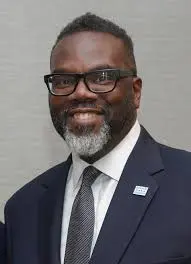
The position of the mayor of Chicago is a pivotal role in shaping the policies and future of one of America’s largest cities. Currently held by Brandon Johnson, the mayor’s office plays a crucial role in addressing city issues ranging from public safety to economic development. This article examines the responsibilities, recent initiatives, and significance of the mayoralty within Chicago’s political landscape.
Overview of the Mayoral Role
The mayor of Chicago is responsible for overseeing the city’s executive branch, implementing laws and managing city services. This includes the police and fire departments, public education, and transportation networks. Additionally, the mayor often engages in negotiations with the City Council to pass budgets and ordinances, which is critical for managing the city’s finances and addressing community needs.
Recent Developments under Brandon Johnson
Brandon Johnson assumed office on May 15, 2023, succeeding Lori Lightfoot. His administration’s focus has been on equity and social justice, aiming to address systemic issues faced by diverse Chicago communities. Johnson has introduced several initiatives to tackle gun violence, improve mental health services, and support economic recovery post-pandemic.
Notable proposals have included expanding community-based mental health services and investing in job training programs, particularly in underrepresented communities. Johnson has also worked on increasing funds for public schools, enhancing affordable housing options, and promoting environmental sustainability to counter climate change effects in urban areas.
Challenges Facing the Mayor of Chicago
Despite these initiatives, the mayor faces various challenges, including rising crime rates and fiscal constraints. Chicago has seen an uptick in violent crime, prompting the mayor to collaborate with police and community organisations to develop effective crime prevention strategies. Moreover, the city’s budget remains strained due to past financial commitments, requiring careful management and innovative funding solutions.
Conclusion
The role of the mayor of Chicago is integral to the city’s governance and future direction. As Brandon Johnson charts his course through challenges and opportunities, his initiatives will significantly influence the fabric of Chicago. Moving forward, effective leadership will be paramount in addressing the complex social issues the city faces while fostering a vibrant, inclusive community. Residents and stakeholders must remain engaged to ensure that their voices are heard in this essential part of local governance.
