Introduction
Methanol poisoning remains a critical public health issue, particularly as the consumption of illicit alcoholic beverages continues to rise. Methanol, a toxic alcohol found in some industrial products and counterfeit spirits, can lead to severe health implications. Understanding the dangers of methanol poisoning is paramount for the safety of individuals and the wider community.
What is Methanol Poisoning?
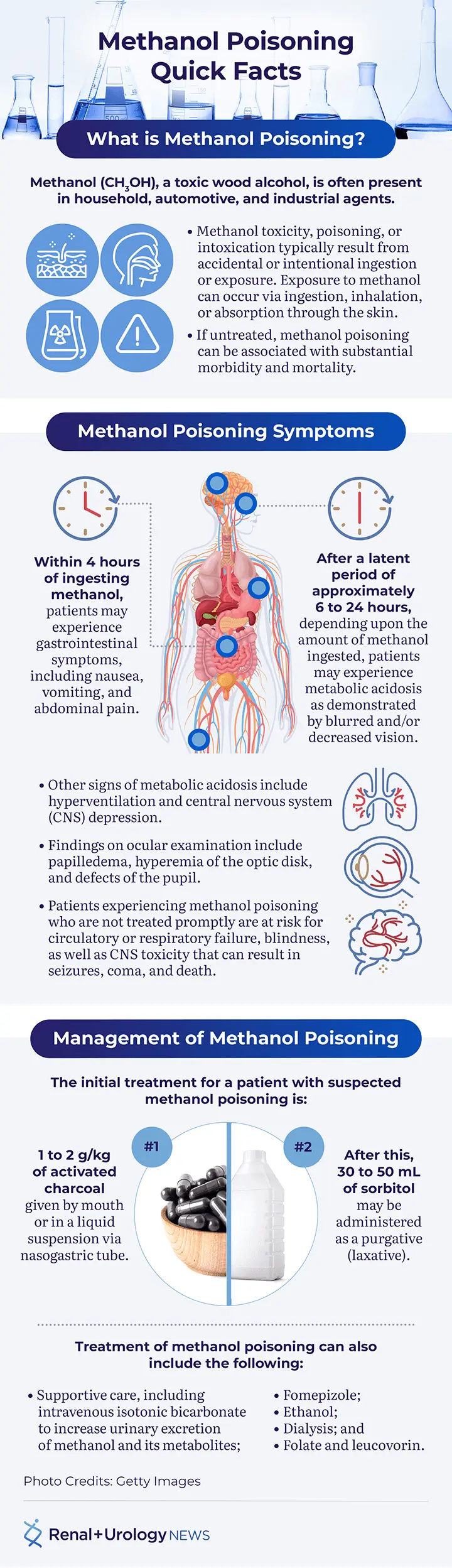
Methanol, also known as wood alcohol, is used in various industrial processes, including the manufacture of formaldehyde and as a solvent. Unlike ethanol, the type of alcohol typically found in beverages, methanol is highly toxic and can cause metabolic acidosis, neural damage, and even death when ingested.
Recent Incidents
In recent months, several alarming cases of methanol poisoning have been reported globally. In 2022, an incident in Iran resulted in over 700 people hospitalised and at least 50 fatalities due to the consumption of homemade alcoholic beverages contaminated with methanol. Similarly, in Mexico, an outbreak linked to adulterated drinks led to numerous cases of poisoning, prompting health officials to issue warnings about the risks of consuming unregulated alcohol.
Symptoms and Health Effects
The symptoms of methanol poisoning may initially resemble those of ethanol intoxication, which can lead to delayed diagnosis. Common signs include headache, dizziness, nausea, vomiting, and abdominal pain. As the condition worsens, serious effects such as visual impairment, respiratory failure, and seizures may occur. If untreated, methanol poisoning can lead to permanent disability or death.
Prevention and Education
Preventive measures are crucial in combating methanol poisoning. Public health campaigns should focus on educating communities about the dangers of consuming unregulated alcoholic beverages, as well as promoting the importance of sourcing products from reputable suppliers. Policymakers are also called upon to strengthen regulations surrounding the production and sale of alcohol, particularly in regions where illegal manufacturing is prevalent.
Conclusion
As the threat of methanol poisoning persists, individuals must remain vigilant about the alcoholic products they consume. Continued awareness and education are vital in preventing methanol-related incidents and ensuring public health safety. With proper regulatory frameworks and community engagement, the prevalence of methanol poisoning can be significantly reduced, safeguarding lives and promoting responsible consumption practices.
