Introduction
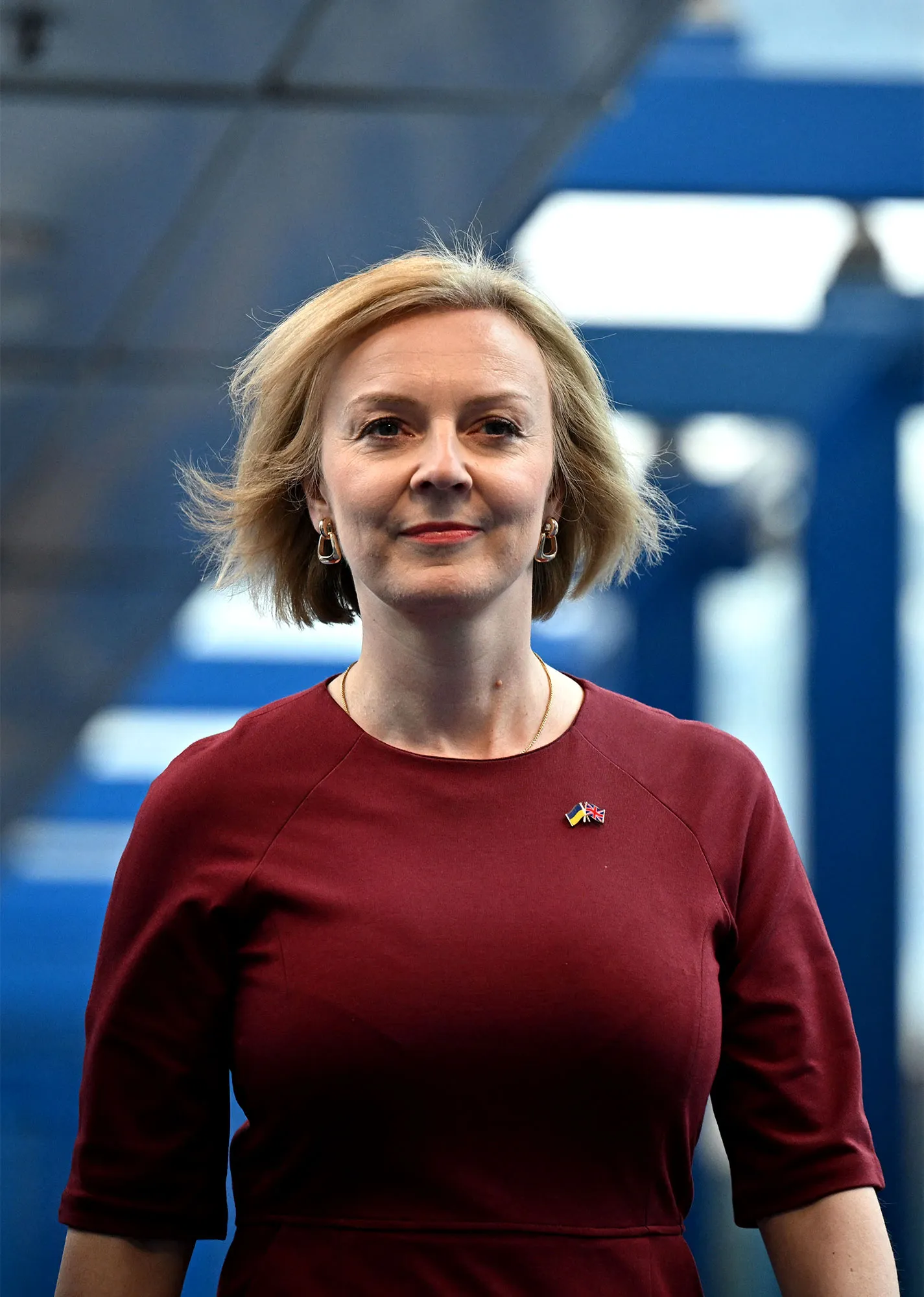
Liz Truss, the former Prime Minister of the United Kingdom, has emerged as a significant figure in contemporary British politics. Having served a brief but impactful tenure, her leadership, policies, and subsequent resignation have captured national attention, raising discussions about the future of Conservative Party politics and the economy. Understanding her journey is crucial for grasping the current political landscape in the UK.
A Brief Political Background
Born on July 26, 1975, in Oxford, England, Mary Elizabeth Truss, known as Liz Truss, was educated at Merton College, Oxford, where she studied Philosophy, Politics, and Economics. Her political career began in 2010 when she was elected as the Member of Parliament for South West Norfolk. Over the years, Truss held multiple cabinet positions, including Secretary of State for Environment, Food and Rural Affairs, Secretary of State for International Trade, and ultimately, Foreign Secretary.
Prime Ministerial Tenure
Truss became Prime Minister on September 6, 2022, succeeding Boris Johnson. Her leadership was marked by a bold economic agenda aimed at facilitating growth through tax cuts and deregulation. However, the unveiling of her mini-budget, which proposed significant unfunded tax cuts, led to tumult in the financial markets, causing the pound to plummet and forcing the Bank of England to intervene.
The backlash was swift and severe, prompting calls for a change amongst party members and the public. Following weeks of unrest, Truss faced mounting pressure, ultimately stepping down on October 20, 2022, after just 49 days in office, making her the shortest-serving Prime Minister in British history. This unprecedented exit raised concerns about the stability of the Conservative Party and its economic strategies.
Current Implications and Future Outlook
The aftermath of Truss’s resignation has been deeply felt within British politics. Her economic policies and their failure have led to intense debates about the direction of the Conservative Party, particularly as new leadership under Rishi Sunak aims to mend the fractures within the party. Analysts are now questioning how Truss’s policies will influence future elections and the party’s relationship with the electorate.
Looking ahead, Liz Truss remains a controversial figure; her tenure may serve as a cautionary tale regarding economic reforms and governance in a tumultuous political climate. As the UK navigates through economic challenges, the long-term significance of her leadership style and policies will undoubtedly continue to be a subject of scrutiny.
Conclusion
The rise and fall of Liz Truss exemplify the uncertainties of political leadership and the fragility of governance. As she steps back from the forefront of British politics, her legacy will be dissected and debated, shaping both public perception and party direction in the years to come.
