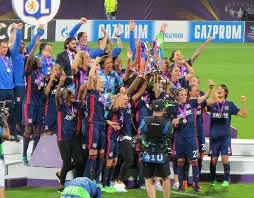
Introduction
The UEFA Women’s Champions League (UWCL) has increasingly become a focal point in the world of football, providing an essential platform for women’s teams across Europe. The competition not only highlights the skill and athleticism of female athletes but also reflects the growing support and recognition for women’s sports globally. With recent developments, the UWCL has garnered more attention than ever, making it a significant topic in contemporary discussions around gender equality in sports.
Recent Developments
The current season of the Women’s Champions League, which kicked off in September 2023, has seen exciting matches and unexpected twists. Clubs such as Chelsea, Barcelona, and Lyon have showcased their talent while emerging teams like Arsenal and Bayern Munich are fighting hard to make their mark. The knockout stage promises to elevate the competition, with each team striving to clinch the prestigious title.
Attendance and viewership for matches this year have surged, with many fixtures selling out and broadcast numbers climbing dramatically. According to UEFA, the 2022-2023 season recorded an average of 4.6 million viewers per match, a significant increase from previous years. The increased exposure of women’s football highlights the changing landscape and growing interest among fans.
Significance for Women’s Football
The Women’s Champions League is more than just a tournament; it serves as a powerful vehicle for change. As media coverage expands, sponsorships have increased, leading to improved financial backing for clubs and players. The UWCL provides a platform where female athletes can showcase their abilities, which is essential for inspiring the next generation of players.
Additionally, high-profile matches featuring renowned teams have attracted diverse audiences, demonstrating that women’s football can be just as captivating as men’s. The ongoing professionalisation of the game includes better training facilities, pay equity discussions, and overall, more respect for female athletes.
Conclusion
The Women’s Champions League is not just a tournament; it is a milestone in the journey towards equality in sport. The increased support for women’s football, illustrated by the growing viewership and budding international interest, reflects a broader cultural shift. As the tournament progresses, the hope is that it continues to build momentum—both in terms of audience engagement and fostering new talent.
Looking ahead, the UWCL sets the stage for future generations of female athletes and reinforces the importance of equality in sports. Fans, sponsors, and stakeholders must continue to champion women’s football, ensuring that its growth is both sustainable and celebrated.
