Introduction
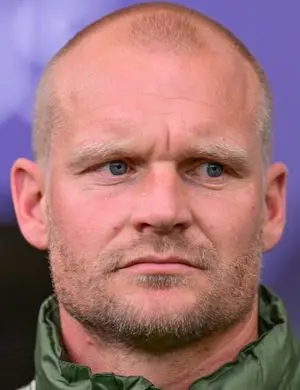
Liam Manning has emerged as a significant figure in football management, gaining recognition for his innovative approaches and team management skills. His career trajectory is noteworthy not only for its progression but also for the influence he is having in reshaping coaching philosophies within the sport. Understanding Manning’s impact is increasingly relevant, particularly as football continues to evolve and demand fresh perspectives.
Career Background
Starting his professional journey as a player, Liam Manning was a midfielder for various clubs, including Reading and MK Dons. However, it was his transition into coaching and management that sparked widespread attention. After holding coaching roles at various levels, he became the manager of MK Dons in 2021. His credentials as a UEFA Pro Licence holder set a solid foundation for his managerial philosophy, emphasizing tactical awareness and player development.
Recent Achievements
During his tenure at MK Dons, Manning has been credited with instilling a strong team spirit and an attractive style of play that resonates well with fans. Under his leadership, the team achieved significant success in the EFL, showcasing a blend of youth and experience. His commitment to nurturing young talent has paid dividends, with several academy graduates making successful transitions into first-team football, thus reflecting his strategic vision.
Importance in Modern Football
In an era where adaptability is crucial, Manning’s approach has focused on analysis and real-time decision-making, adapting to the dynamic nature of matches. His tactics involve a high-pressing game that keeps opponents on edge, a strategy that has become increasingly popular across the football spectrum. Furthermore, his innovative use of technology and data analytics to enhance player performance demonstrates his forward-thinking mindset and commitment to pushing the boundaries of traditional coaching.
Conclusion
As Liam Manning continues to rise in the ranks of football management, his influence on the game is undeniable. Forecasts suggest that if he maintains this trajectory, he could become one of the prominent figures in football management, possibly making his mark in higher leagues and even European football. For readers and fans, following Manning’s career offers insights into the future of coaching and the evolving landscape of football management. His commitment to both excellence and player development sets a valuable example for aspiring coaches and young players alike.
