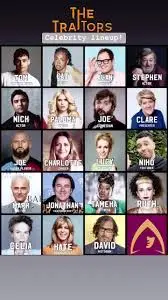
Introduction: The Body of Celebrity Culture
In today’s interconnected world, celebrity influence extends beyond entertainment. As icons of culture, celebrities often shape public opinion, inspire trends, and command significant power. However, when these public figures appear to betray their supporters or endorse controversial stances, they risk being labelled as ‘traitors.’ This topic has garnered considerable attention, highlighting the complex relationship between celebrities and their fan base in a time of heightened political and social sensitivity.
What Are Celebrity Traitors?
The term ‘celebrity traitors’ refers to public figures who take actions or express views perceived as contrary to the beliefs or expectations of their fan base. This can include anything from political endorsements, social activism, or personal choices that conflict with a fan’s values. Notable examples include celebrities who have openly supported political candidates or social movements that diverge from their audience’s views.
Recent Events Fueling Controversy
In recent months, several high-profile figures have sparked controversy by engaging in what many fans describe as betrayal. For instance, when prominent musicians or actors advocate for policies or social reforms contrary to the prevailing sentiments of their fans, backlash often ensues. Events such as the COVID-19 pandemic, social justice movements, and environmental issues have led various celebrities to take stances that alienate segments of their audience. This has raised questions about loyalty, responsibility, and the role celebrities play in shaping societal views.
Impact on Fan Loyalty
Fan loyalty is generally considered a cornerstone of a celebrity’s success. However, instances of perceived betrayal can shift this dynamic. Some fans may choose to unfollow or boycott these celebrities, expressing their discontent through social media platforms, while others may support them even more vehemently as a badge of honour. This phenomenon reflects a deeper psychological connection that fans forge with their idols, revealing a new layer of interaction in the era of social media.
Conclusion: The Significance for Readers
The concept of celebrity traitors is multifaceted, revealing the complexities of celebrity culture and its influence on public sentiment. As societal issues continue to evolve, the responses from celebrities will likely remain a flashpoint for debates on loyalty, ethics, and social responsibility. For fans, understanding this concept is crucial; it allows for more informed perspectives on their idols’ actions and the broader implications on culture and society. In the end, the relationship between celebrities and their fans is a delicate balance, where admiration can easily turn to disillusionment, reminding us of the power—and pitfalls—of celebrity status.
