Introduction
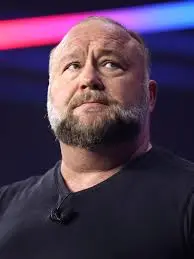
Alex Jones, known for his polarising views and conspiracy theories, has garnered both widespread attention and controversy over the years. As a media figure, his impact on public discourse and political commentary highlights the tension between free speech and misinformation. With legal battles and ongoing debates around his claims, it remains essential to understand his influence on contemporary media and society.
Background on Alex Jones
Born on February 11, 1974, in Dallas, Texas, Alex Jones gained notoriety through his radio show, ‘The Alex Jones Show,’ and his website, Infowars. His content often combines elements of conspiracy theories, alternative news, and a strong critique of government actions. Over the years, Jones has positioned himself as a populist figure, resonating with a segment of the American public that is sceptical of mainstream media.
Controversies and Legal Challenges
Jones has been at the centre of numerous controversies, particularly following his claims regarding significant events such as the September 11 attacks and the Sandy Hook Elementary School shooting. His assertion that Sandy Hook was a hoax led to significant backlash, culminating in lawsuits from the families of the victims. In October 2022, he was ordered to pay nearly $1 billion in damages for his defamatory statements, underscoring the legal repercussions of spreading false information.
Impact on Media and Society
The reach of Jones’ media has raised important questions about the role of alternative media in the digital age. His ability to attract large audiences through social media platforms demonstrates how information—even if unfounded—can rapidly spread and influence public opinion. His case has rekindled discussions on the balance between free speech and the responsibility of content creators, prompting debates about the necessity for regulation in online spaces to combat misinformation.
Conclusion
The ongoing story of Alex Jones serves as a critical example of the challenges faced by modern media. As society becomes increasingly divided, understanding the implications of his narratives is vital. With the evolution of digital communication and the rise of alternative media, the impact of figures like Jones will likely remain significant. As the landscape of information continues to change, the discourse surrounding the ethics of free speech and the fight against misinformation will only intensify, raising essential questions for readers and citizens alike.
