Introduction
The announcement of Dexter Resurrection has reignited the passion of fans worldwide, drawing back the curtain on the complex life of America’s favourite anti-hero. After the controversial ending of the original series in 2013, this revival presents an opportunity to delve deeper into Dexter Morgan’s psyche and resolve lingering questions left by the series finale.
What is Dexter Resurrection?
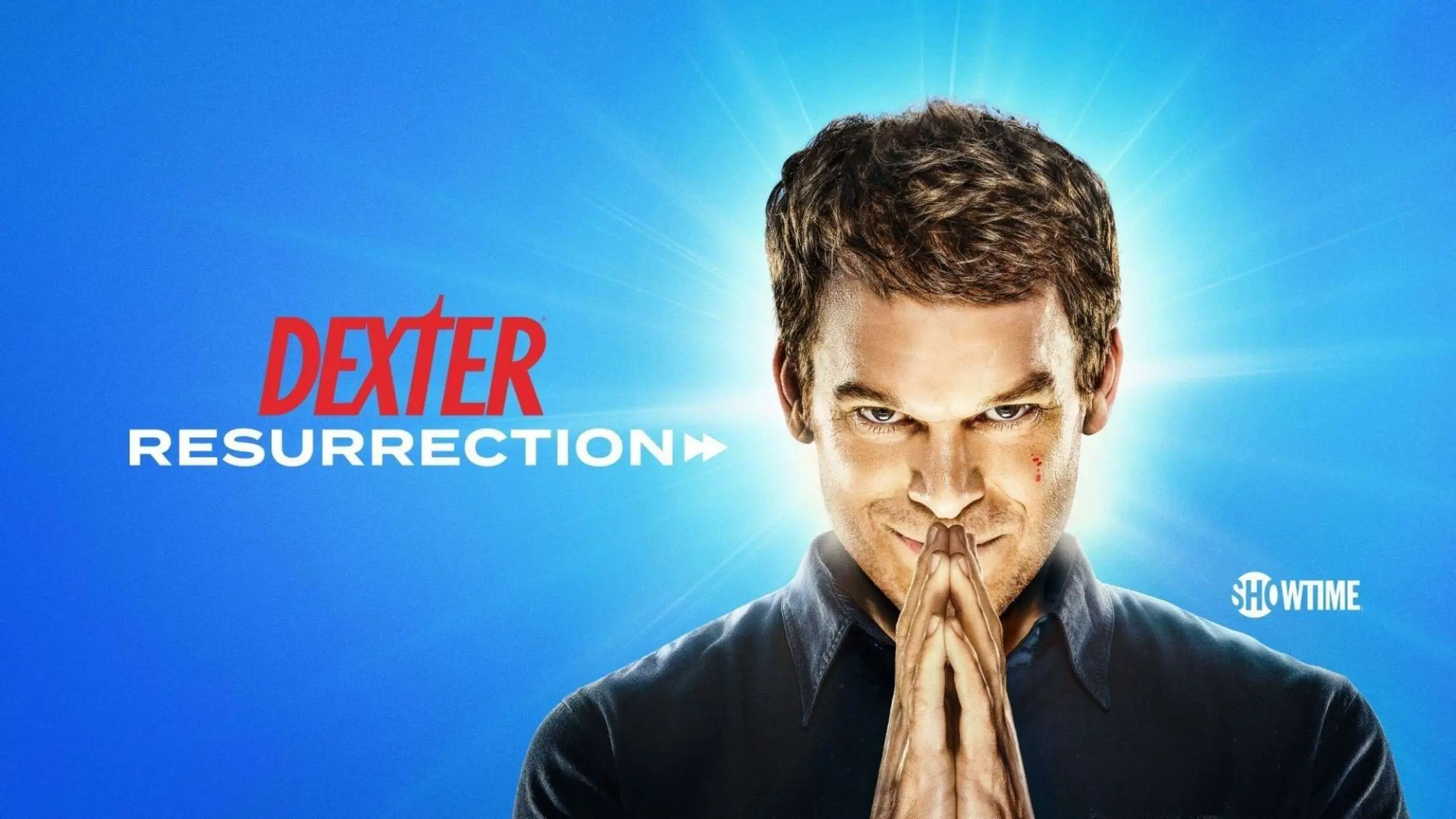
Dexter Resurrection is a revival series of the acclaimed crime drama Dexter, which originally aired on SHOWTIME from 2006 to 2013. The show revolves around Dexter Morgan, a forensic blood spatter analyst for the Miami Metro Police Department, who lives a secret life as a vigilante serial killer. In 2021, a new limited series was announced, with ten episodes set to bring Dexter back into the limelight, promising to address unfinished business and explore new challenges.
Key Developments and Cast
The revival reunites actor Michael C. Hall in his iconic role of Dexter Morgan. Notably, it features new characters played by actors such as Julia Jones and Jack Alcott. The series is helmed by showrunner Clyde Phillips, who returns to provide a fresh vision while retaining the essence of the original. Additionally, the series aims to tackle themes of morality, redemption, and the struggle between one’s true self and societal expectations.
Current Events and Reactions
Since the announcement, fan anticipation has been palpable. The marketing campaign has included trailers and promotional content that hint at darker and more intense storytelling. Fans have taken to social media, sharing theories and expressing excitement about the return of popular characters. Critics have begun to analyse the implications of Dexter’s actions and the potential repercussions of his return, particularly in a more complex societal landscape.
Impact on Television and Viewership
Dexter Resurrection holds significant importance in the evolution of television revivals and reboots. With streaming giants like Netflix leading the way in reviving classic series, SHOWTIME’s decision to bring back Dexter reflects a broader trend in the industry to capitalize on nostalgia while providing new content. If successful, it could pave the way for other series to return, potentially boosting viewer engagement across networks.
Conclusion
As Dexter prepares for his second act, viewers are left with many questions about how the series will reconcile its past while carving a new narrative path. Given the intense loyalty of its fanbase and the critical acclaim of its original run, Dexter Resurrection is poised to make significant waves in the world of television. With the revival set to air soon, audiences are keen to see how the show will grapple with themes of identity, justice, and the consequences of living in the shadows.
