Introduction
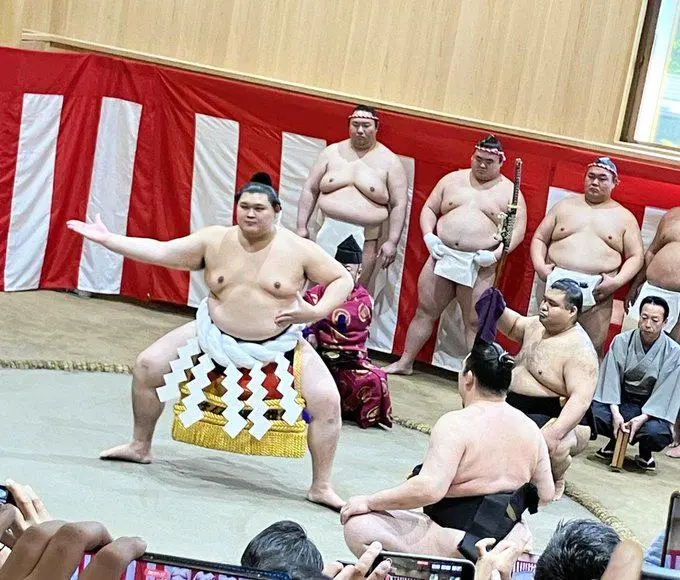
Sumo wrestling, a traditional Japanese sport steeped in history and culture, has become increasingly relevant in the global sports landscape. Its unique combination of athleticism, tradition, and ritual has captured the attention of sports enthusiasts around the world. As more people seek to connect with diverse cultures and sporting forms, sumo wrestling is enjoying a resurgence, becoming a focal point for not only practitioners but for those interested in its rich history and values.
Recent Developments in Sumo Wrestling
In recent years, sumo wrestling has seen an increase in international participation and viewership. The Japan Sumo Association has acknowledged this trend and has started initiatives to promote the sport beyond Japan’s borders. High-profile tournaments like the Grand Sumo Tournament have seen record numbers of spectators, both in-person and through live broadcasts. For example, the September 2023 tournament in Tokyo attracted over 12,000 attendees daily, showcasing not only the skills of the rikishi (wrestlers) but also the cultural ceremonies that accompany this ancient sport.
Global Influence and Diversity
As sumo wrestling grows in popularity, it also opens doors for athletes from diverse backgrounds. In 2023, foreign wrestlers made up approximately 40% of the top division, with increased representation from countries such as Mongolia, the United States, and Brazil. This has led to a more multicultural environment in sumo stables (training facilities), enhancing the sport’s appeal. The influx of international wrestlers has also sparked interest in training camps abroad, allowing more individuals to experience sumo firsthand.
Challenges Facing Sumo Wrestling
Despite its growth, sumo wrestling faces challenges, including concerns about its traditional image and the need to adapt to contemporary societal norms. Issues such as health and safety, particularly regarding weight management and injury prevention, have become topical in discussions about the sport’s future. The Japan Sumo Association is working to address these concerns while maintaining the traditions that make sumo unique.
Conclusion
The resurgence of sumo wrestling highlights its enduring power as a cultural staple while also emphasizing the sport’s adaptability in a changing world. As sumo continues to grow, it presents opportunities for greater cultural exchange and sporting collaboration. The future looks bright for this ancient tradition, offering lessons about resilience, respect, and the celebration of diverse athleticism for audiences worldwide. Whether as a participant or a spectator, sumo wrestling offers a rich experience that connects the past with the future.
