Introduction
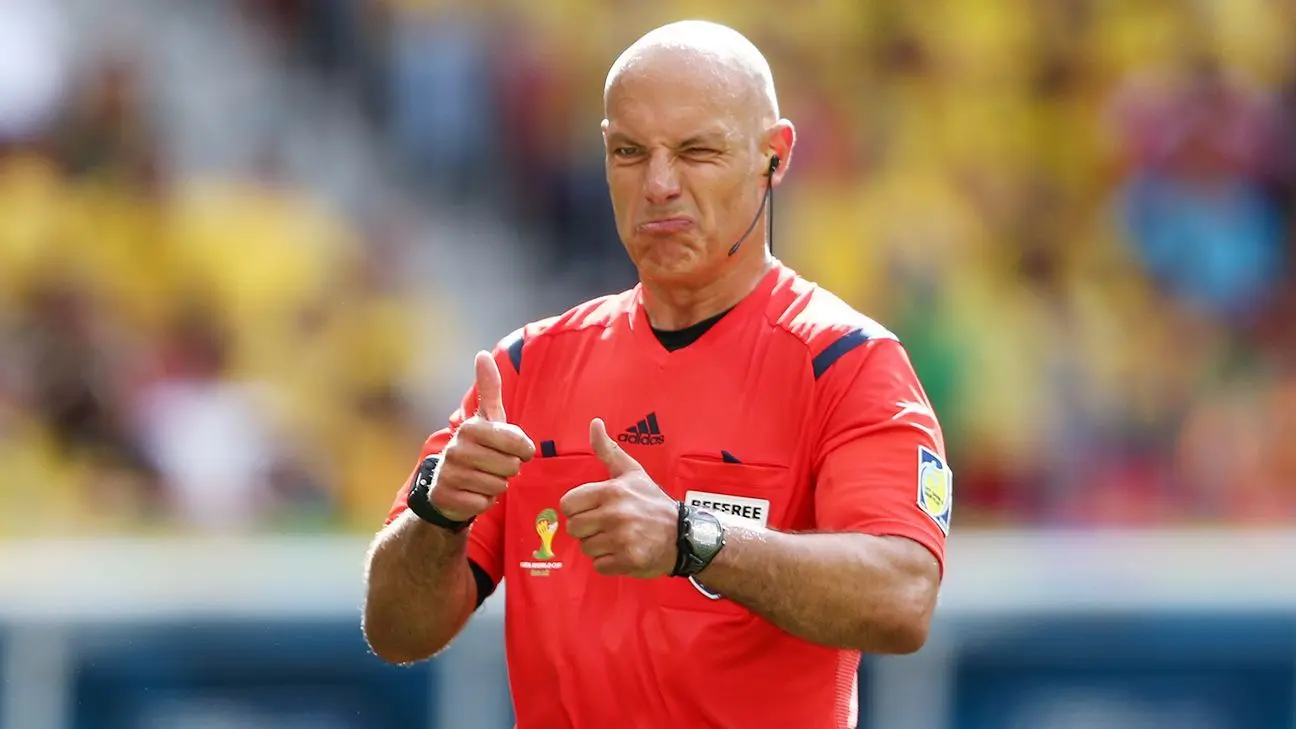
Howard Webb, a prominent figure in the world of football officiating, has recently re-entered the limelight as the chief refereeing officer for the Professional Game Match Officials Limited (PGMOL) in England. His role is not only crucial for maintaining the standards of officiating in top-flight football but also for restoring faith in the integrity of matches as criticism of refereeing standards has been a recurring theme among fans and professionals alike. Webb’s experience and commitment could be pivotal in reshaping the future of refereeing.
Recent Developments
Following a long and successful officiating career that includes refereeing the FIFA World Cup final in 2010, Webb’s return to the football landscape has been positively received. In 2022, he took up the role leading PGMOL, tasked with addressing inconsistencies and controversies that have plagued the Premier League and EFL in recent years. Under his guidance, the organisation is implementing new training protocols, aiming to enhance the skills and decision-making abilities of match officials. These changes have already sparked conversation among pundits and fans about a potential shift towards improved performance standards.
Impact on the Game
Webb’s approach has focused on transparency and communication with clubs and players, aiming to clarify the rationale behind crucial decision-making processes that influence game outcomes. Furthermore, he has been instrumental in advocating for the proactive use of video assistant referees (VAR), stressing its importance in reducing human error during matches. The introduction of weekly feedback sessions and workshops for referees is a step towards fostering a culture of accountability and professionalism within the officiating ranks.
For the football community, Webb’s return could signify a turning point in combating the negative perception associated with referees. By prioritising dialogue and understanding, he hopes to rebuild trust not just among players and managers but also with the fans who are often the most vocal critics of officiating decisions.
Conclusion
As Howard Webb reinvigorates the refereeing landscape in England, the effects of his leadership are still unfolding. The emphasis on improved officiating standards and enhanced communication within the sport is a promising development for football enthusiasts. While challenges remain, the potential for a more trusted and respected officiating community could change the narrative around football refereeing, making matches fairer and more enjoyable for spectators and players alike. Webb’s efforts indicate a commitment to upholding the integrity of the game, an objective that is critical as the footballing world moves forward.
