Introduction
Jimmy Floyd Hasselbaink is a name synonymous with scoring prowess and impactful leadership in the world of football. The Dutch striker, who made waves in the Premier League and beyond, continues to influence the sport not just as a former player but also as a manager. His career has been characterized by remarkable achievements, making him an important figure in contemporary football, particularly in the UK.
Career Highlights
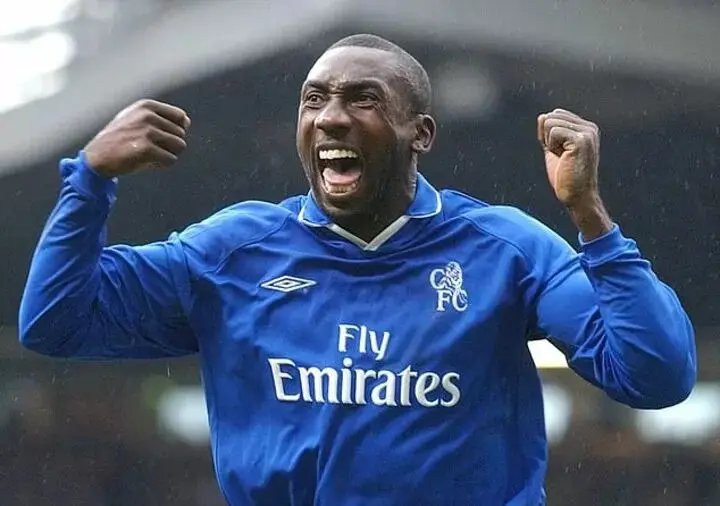
Hasselbaink started his professional career in the Netherlands before moving to England in 1997, where he found his calling. His explosive style and keen goal-scoring instinct helped him achieve significant success in the Premier League, most notably with clubs like Leeds United, Middlesbrough, and Chelsea. At Chelsea, he netted an impressive 69 goals over four seasons, making him one of the top scorers in the league during his time.
His achievements were not confined to England. Hasselbaink was also a star on the international stage, representing the Netherlands 23 times and scoring 9 goals. His performances in major tournaments like the UEFA European Championship and World Cup qualifiers showcased his ability to perform under pressure, further solidifying his reputation as a world-class striker.
Transition to Management
After hanging up his boots, Hasselbaink transitioned into management, taking on several roles in English football. He became the manager of the Football League club, QPR, in 2015, and later managed Northampton Town. His approach to coaching reflects the same tenacity he showed on the pitch, as he aims to instil a winning mentality in his squads.
Recently, Hasselbaink was appointed as the manager of Burton Albion, marking a significant return to a managerial role in the EFL. His experience as a former player has provided him with unique insights into player development and team dynamics, which he uses to guide his coaching philosophy.
Conclusion
Jimmy Floyd Hasselbaink’s journey from a prolific striker to a respected manager exemplifies the potential for footballers to influence the game off the field. His commitment to mentoring emerging talents and fostering a competitive spirit in teams signifies his dedication to the sport. As he continues to carve out his managerial career, football fans and analysts alike eagerly anticipate the impact he will have in shaping the future of his teams. Hasselbaink’s story is not just one of personal triumph; it serves as an inspiration for current and aspiring players worldwide.
