Introduction
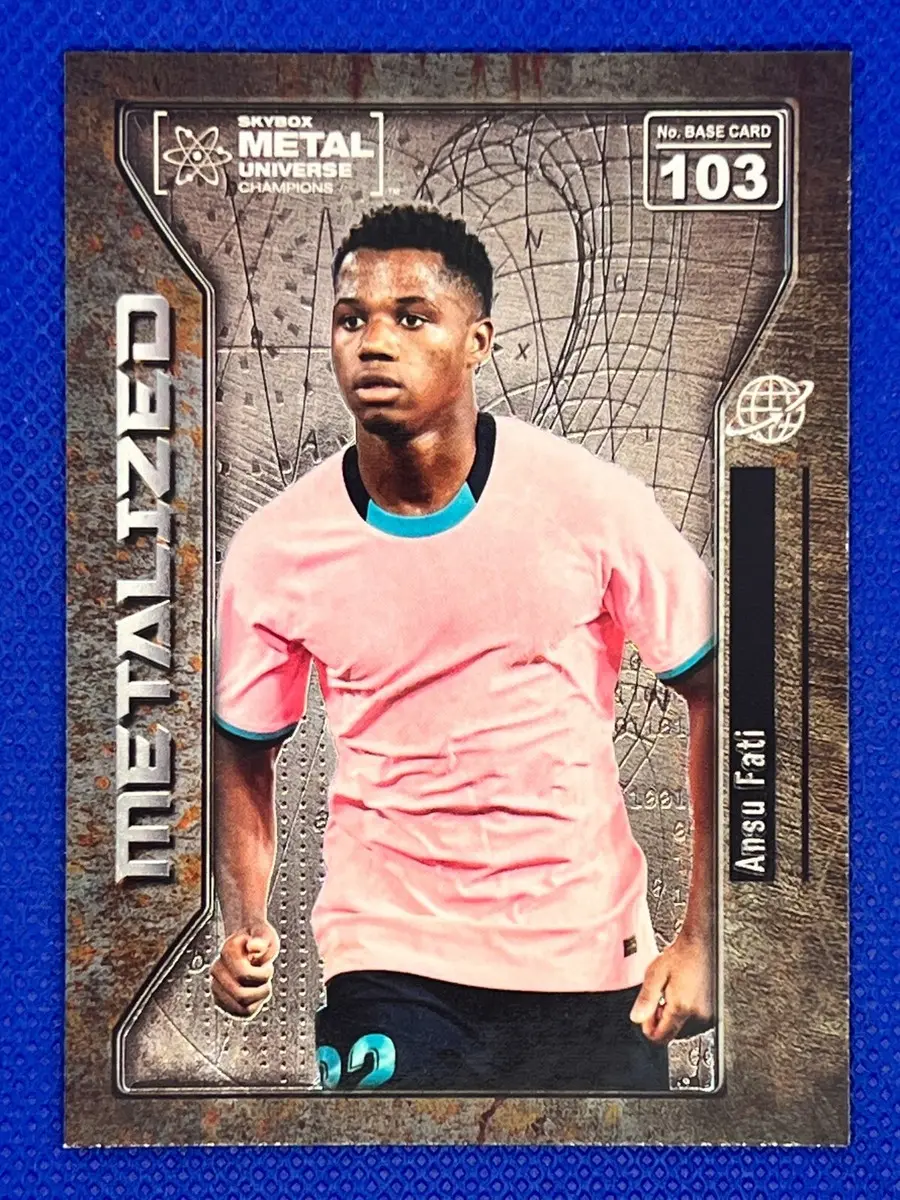
Ansu Fati, the young Spanish football prodigy, has been making waves in the football arena, captivating fans with his remarkable skills and potential. Born on October 31, 2002, in Guinea-Bissau but raised in Spain, Fati’s journey from a modest background to becoming one of FC Barcelona’s brightest stars highlights not only his personal determination but also the evolving landscape of modern football. As fans and analysts alike scrutinise his performances, understanding Fati’s impact on the game and his role in Barcelona’s future becomes increasingly relevant.
Early Career
Fati joined FC Barcelona’s youth academy, La Masia, at a tender age, showcasing his exceptional talent early on. His official debut for the senior team came in August 2019, where he made history as the youngest player to feature for the club at just 16 years and 298 days old. This inaugural appearance set the tone for what would be an extraordinary career, with Fati quickly becoming known for his speed, agility, and goal-scoring ability.
Breakthrough Season
The 2019-2020 season was a breakthrough for Fati, as he scored six goals in 33 appearances, making him the youngest goalscorer in the club’s history. His performances earned him widespread recognition and a place in Spain’s national team. Fati’s ability to adapt and excel under pressure demonstrated the poise of a seasoned player, an attribute that is highly sought after in competitive football.
Challenges and Injuries
However, Fati’s journey has not been without challenges. Throughout the 2020-2021 season, he struggled with injuries that sidelined him for extensive periods, hindering his development. Despite these setbacks, his resilience and dedication to recovery have been commendable. As he returned to the pitch in 2022, fans held their breaths, hoping to see the return of the dynamic force they had come to admire.
Current Form and Future Prospects
As of late 2023, Fati has made significant strides in overcoming his injury woes, contributing to both FC Barcelona and the national team. Under the management of Xavi Hernandez, Fati’s role within the squad appears crucial as the club strives for glory in domestic and international competitions. His dribbling skills, pace, and precision finishing make him an indispensable asset for Barcelona as they rebuild.
Conclusion
In conclusion, Ansu Fati’s journey from a talented youth player to a key figure at FC Barcelona is a testament to his hard work and the support he has received along the way. As he continues to develop, fans and analysts alike will be keenly watching his progress. The future looks bright for Fati as he aims to solidify his legacy in football and stand as an inspiration for young players around the globe. With continued support and proper management, Ansu Fati could easily become one of the defining players of his generation.
