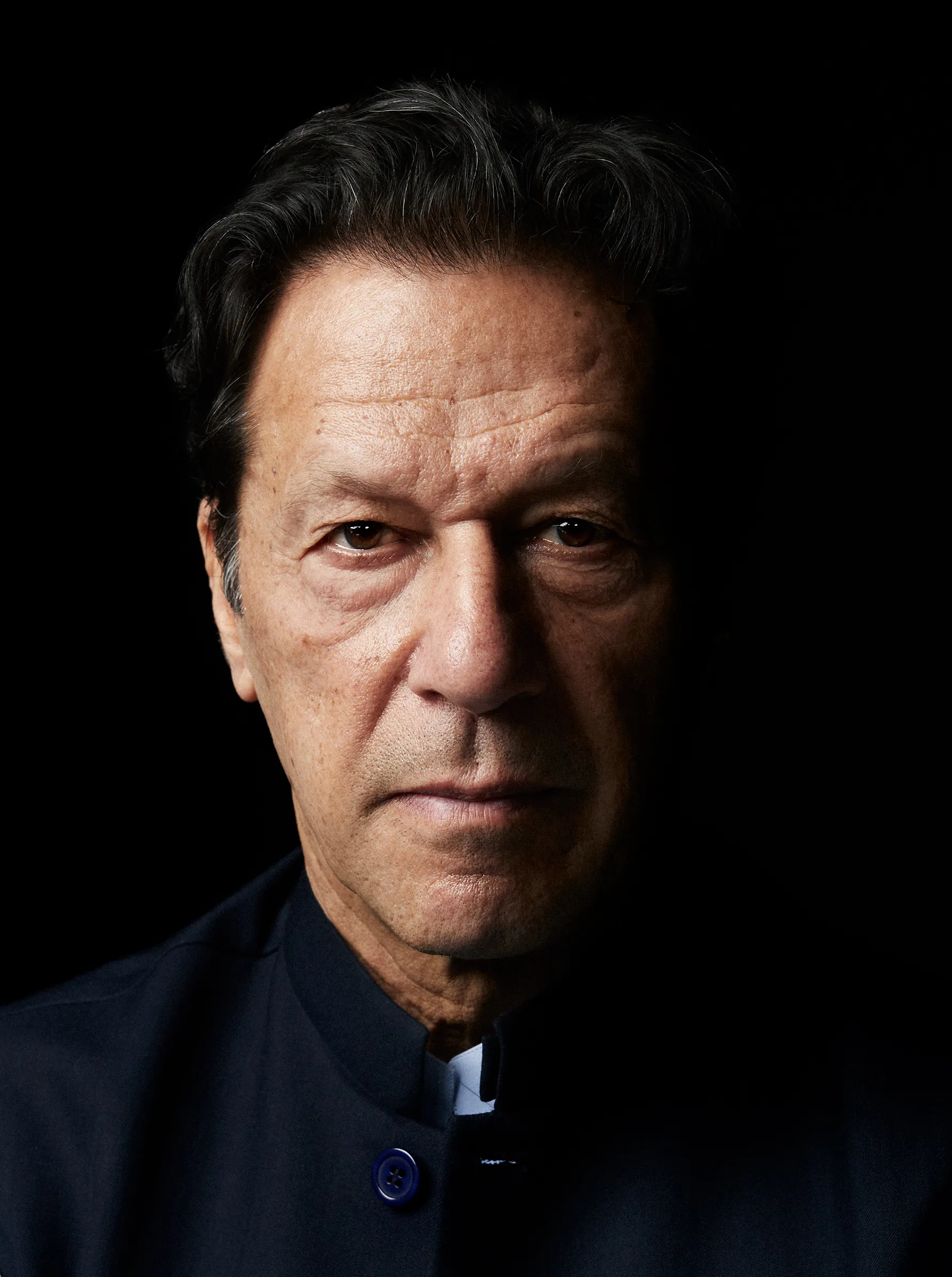
Introduction
Imran Khan, the former Prime Minister of Pakistan and a celebrated cricketer, has become a pivotal figure in the country’s politics. His transition from sports to politics has captured national and international attention, particularly due to recent events surrounding his leadership. Khan’s political journey is integral to understanding contemporary challenges facing Pakistan, making it timely to explore his influence and the current political climate.
Recent Developments
In August 2023, Imran Khan was sentenced to three years in prison on charges of corruption regarding the unlawful sale of state gifts. This legal battle stems from a growing trend of political repression, highlighting the increasing challenges to democratic governance in Pakistan. Khan’s supporters claim that these charges are politically motivated, aimed at quelling dissent against the current government led by the Pakistan Muslim League-Nawaz (PML-N).
Despite his incarceration, Khan remains a significant force in Pakistani politics. His party, the Pakistan Tehreek-e-Insaf (PTI), has called for public protests against the government, arguing that the establishment seeks to undermine his influence. Analysts note that Khan’s dynamic leadership style and strong public support could keep the political landscape volatile, especially as general elections approach.
Public Reaction and Political Impact
The public’s response to Khan’s conviction has been divided. While many of his loyalists rally in his support, expressing concerns over the state of justice, others criticise his previous governance, which was marked by economic challenges. Khan’s time in office saw a steep rise in inflation and debt, leading to mixed evaluations of his leadership effectiveness.
The current political climate also reveals broader implications for Pakistan’s future, including its democratic institutions and civil liberties. Observers underline that Khan’s legal problems could either enhance his martyrdom narrative or further alienate centrist voters who may have previously supported his vision for Pakistan.
Conclusion
The saga of Imran Khan continues to unfold, bringing significant implications for the political landscape of Pakistan. As the nation treads through this tumultuous phase, Khan’s resilience and political strategy will play a vital role in shaping the outcomes of the upcoming elections. For citizens and political stakeholders alike, understanding Khan’s journey provides insight not only into his character but also into the future direction of Pakistan’s political identity.
