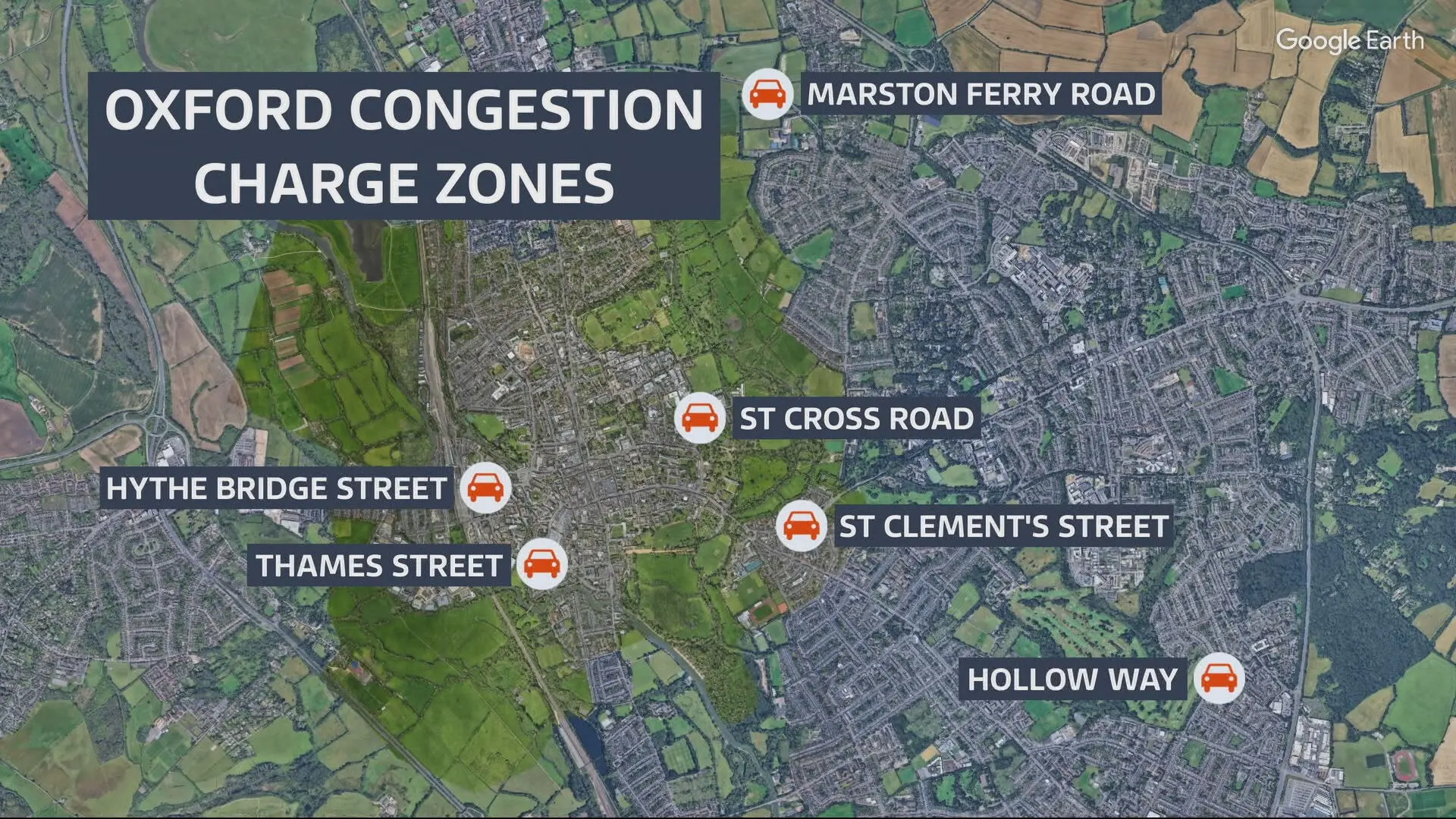
Introduction to the Oxford Congestion Charge
The Oxford congestion charge has become an essential topic for residents and commuters alike, aiming to alleviate traffic congestion in one of the UK’s most historic cities. As urban areas face increasing challenges related to pollution and transportation, Oxford’s initiative seeks not only to manage road usage more effectively but also to enhance the quality of life for its inhabitants.
Details of the Scheme
Approved by local authorities and set to be implemented in 2024, the Oxford congestion charge will require drivers entering the city centre to pay a fee during peak hours. The plan is intended to discourage unnecessary car journeys and promote alternative forms of transport such as public transit, cycling, and walking. Motorists will face a charge between £2 and £4 based on the time and area of the city they enter, with exemptions for electric vehicles and low-income drivers.
Alongside the financial aspects, the Oxford city council has promised to reinvest the revenue generated from the scheme into improving public transport options and expanding cycling infrastructure. This approach reflects a broader trend seen in several UK cities, where congestion charges are seen as a means to modernise urban transport and tackle climate change by reducing emissions.
Public Reaction and Future Implications
Reactions from the public and stakeholders have been mixed. While some citizens applaud the initiative for its potential to unclog bustling streets and promote sustainability, others are concerned about the financial burden it may impose. Local businesses are also watching closely, as changes in traffic patterns could affect footfall and sales.
The government aims to integrate the scheme within a wider plan to address urban transport sustainability across the UK. If successful, the Oxford congestion charge could serve as a model for other cities grappling with similar congestion issues.
Conclusion
The Oxford congestion charge represents a bold step towards tackling urban traffic challenges and could significantly transform how residents and visitors navigate this iconic city. As the implementation date approaches, city planners and officials will need to carefully monitor its impact and adapt accordingly. Ultimately, the success of this initiative may pave the way for comprehensive urban transport strategies across the nation, balancing economic needs with environmental responsibilities.
