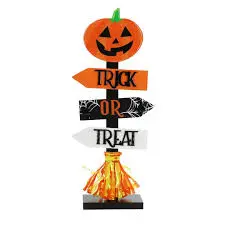
Introduction to Trick or Treating
As Halloween approaches, the phrase ‘trick or treat’ becomes synonymous with the excitement of children roaming the streets in costumes, collecting sweets from their neighbours. This tradition is not only a highlight of the Halloween season but also carries historical significance that intertwines various cultural practices.
Historical Background
Trick or treating is believed to have originated from ancient Celtic practices where costumes were worn to ward off spirits. The modern concept began taking shape in the United States in the early 20th century. The phrase itself first appeared in print in 1927, establishing the playful yet slightly mischievous spirit of Halloween.
The Rise of Halloween Costumes
Initially, children primarily relied on their creativity to fashion costumes with available materials. Over the decades, the rise of commercialisation transformed this into a billion-dollar industry, with families increasingly buying ready-made costumes. This has led to a wider variety of costume options, ranging from traditional pumpkins and ghosts to contemporary pop culture references.
Impact of Trick or Treating Today
Today, trick or treating is a vital way for children to engage with their communities. It promotes neighbourhood bonding, as families prepare by decorating their homes and handing out candies. A 2022 survey found that over 70% of parents plan to take their children trick or treating, with many participating in community events to enhance the experience.
Public Health Considerations
As with any festive occasion, public health concerns have emerged, particularly during times of heightened concern like the COVID-19 pandemic. Health officials recommended safe practices, including outdoor trick or treating and maintaining social distance. These recommendations have shifted the ways families celebrate, yet many still cherish the tradition of dressing up and enjoying the experience of Halloween.
Conclusion: The Significance of Trick or Treat
In conclusion, trick or treating remains a cherished Halloween tradition that brings joy and excitement to children and adults alike. As the holiday continues to evolve, it is likely that communities will find new ways to celebrate while honouring the longstanding customs. This year, as families prepare for October 31st, they not only partake in a delightful pastime but also reinforce their connections within the community, ensuring that the spirit of Halloween remains alive.
