Introduction
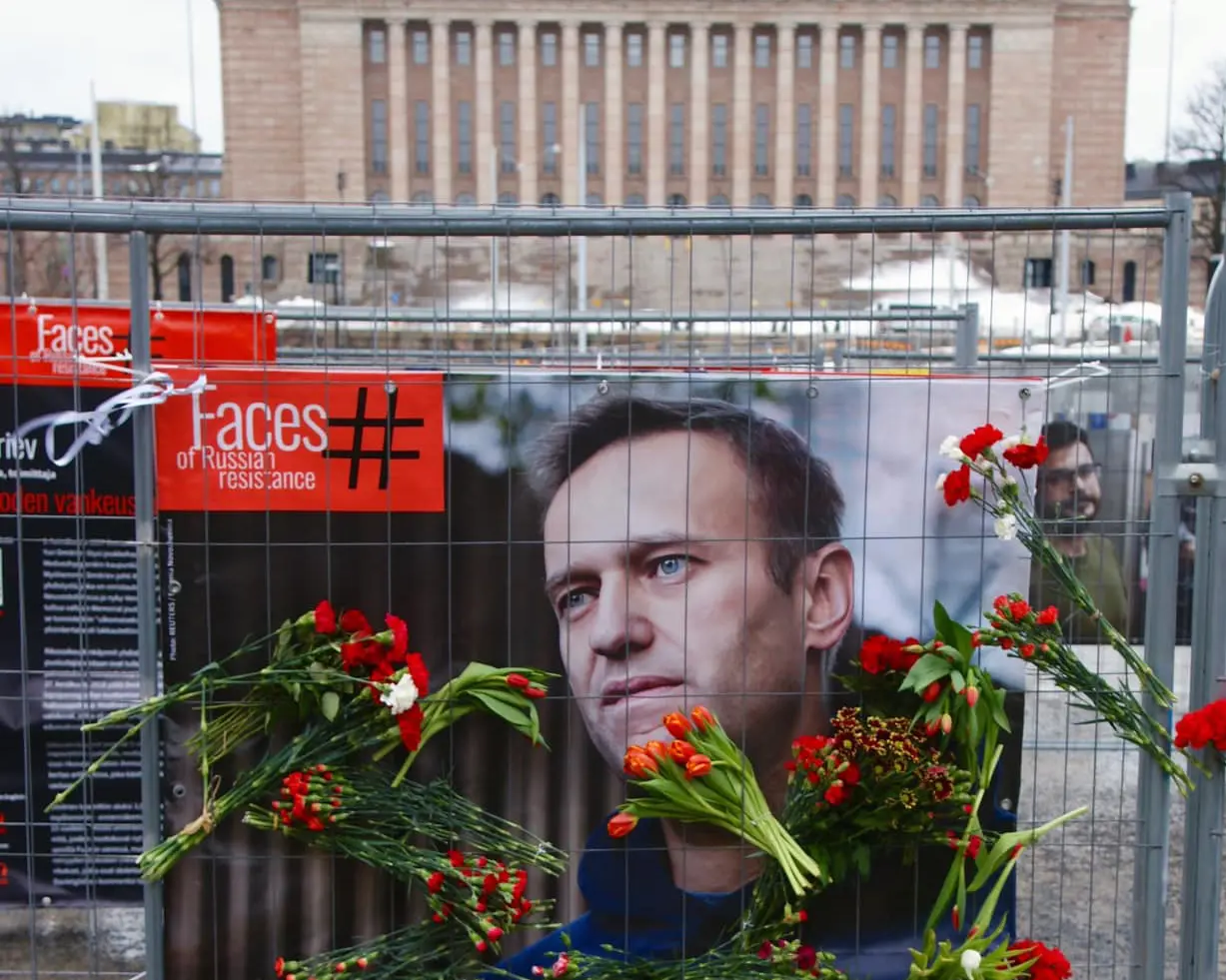
Alexei Navalny, a leading opposition figure in Russia, continues to attract global attention as he battles against the oppressive measures of Vladimir Putin’s regime. His recent imprisonment and continuous legal challenges highlight the government’s moves to silence dissent and the precarious state of human rights in Russia. Navalny’s case not only exemplifies the struggles of political activists but also raises significant questions about democracy and freedom of expression in modern Russia.
Background and Recent Developments
Navalny first rose to prominence with his anti-corruption campaigns, exposing governmental malpractices through social media and investigative journalism. His most notable investigation detailed Prime Minister Dmitry Medvedev’s opulent lifestyle, which he claims was funded through corrupt practices. Throughout 2021 and 2022, Navalny faced multiple arrests and was ultimately sentenced to years in a penal colony, leading to widespread international condemnation.
In recent months, new reports have surfaced regarding his health and treatment while incarcerated, raising alarm among human rights organizations. The Kremlin has denied any wrongdoing, although multiple human rights groups have documented harsh conditions that Navalny reportedly endures, including inadequate medical care and solitary confinement.
Furthermore, following Navalny’s imprisonment, mass protests erupted in various Russian cities, with demonstrators calling for his release and urging the government to respect citizens’ rights. These protests are significant as they reflect increasing public dissatisfaction with Putin’s rule and the government’s approach to dissent.
The Global Response
Internationally, there has been a concerted effort by Western governments to impose sanctions on Russian officials linked to Navalny’s treatment. The European Union and the United States have pressured the Kremlin, citing Navalny’s case as emblematic of the broader human rights crisis in Russia. Notably, several nations have expressed solidarity with Navalny, branding him a symbol of resistance against authoritarianism.
Conclusion
The situation surrounding Alexei Navalny remains fluid and highly significant for both Russia and the international community. His ongoing struggle underscores the resilience of the opposition in the face of systemic repression and the importance of global solidarity in advocating for human rights. As Navalny’s health and legal situation continues to evolve, it is crucial for the world to closely monitor developments and advocate for his freedom, as his case embodies the fight for democracy in Russia.
