Introduction
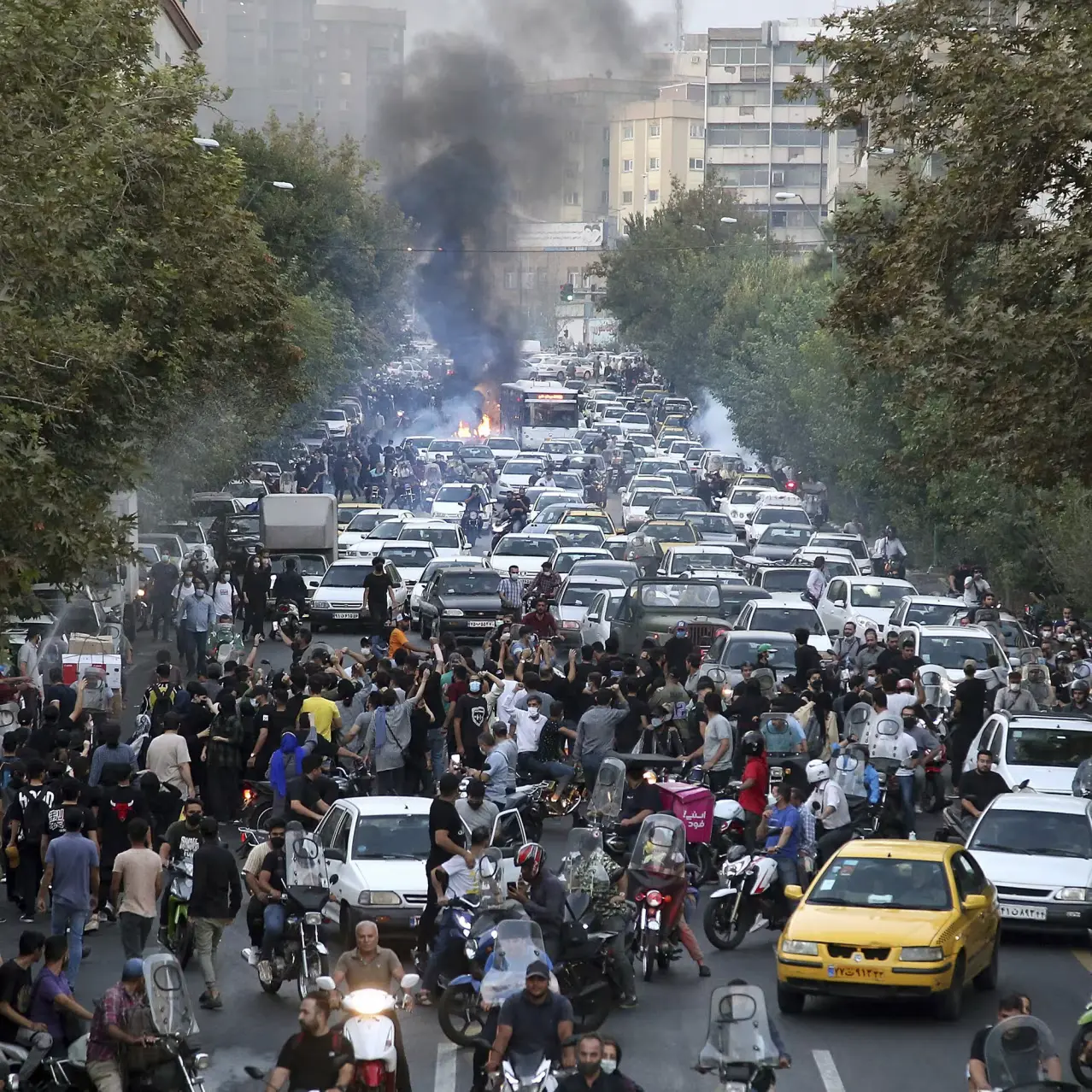
The Iran protests have emerged as one of the most significant social movements the region has witnessed in recent years. Triggered by widespread discontent over political repression, economic hardship, and issues relating to personal freedoms, these protests reflect deep-rooted frustrations among the Iranian populace. As demonstrations spread throughout the country, they have not only spotlighted local grievances but also attracted international attention regarding human rights violations in Iran.
Recent Developments
Since September 2022, when Mahsa Amini was killed after her arrest for allegedly violating Iran’s hijab laws, public outrage has surged, leading to mass demonstrations across cities like Tehran, Shiraz, and Isfahan. The government’s response has been met with escalating violence, including reports of security forces employing tear gas and live ammunition against protestors. According to the Human Rights Activists News Agency (HRANA), more than 500 people have died, and thousands have been arrested since the protests began.
International Reactions
The Iranian government’s crackdown has resulted in widespread condemnation from international leaders and human rights organisations. The United Nations has called for an independent investigation into the killings of protestors and has urged Tehran to respect its citizens’ rights. In response to the situation, several countries have imposed sanctions on Iranian officials connected to the repression, signalling a growing global concern for human rights in Iran.
The Role of Social Media
Social media has played a pivotal role in the Iran protests. Platforms like Twitter and Instagram have enabled demonstrators to organise, share experiences, and bring global attention to their plight. However, the Iranian government has employed various tactics to limit this exposure, including internet blackouts during major protests, showcasing the ongoing struggle between state control and citizens’ freedom of expression.
Conclusion
The ongoing protests in Iran signify a critical moment in the country’s history, with potential implications for its political landscape and relationships with other nations. As tensions continue to rise, the outcome of these protests may lead to a significant shift in Iran’s governance and societal norms. The international community’s support for the demonstrators remains crucial as the world watches to see how the situation unfolds. The people of Iran are facing a daunting struggle, and their fight for basic rights could define the future of the nation.
