Introduction
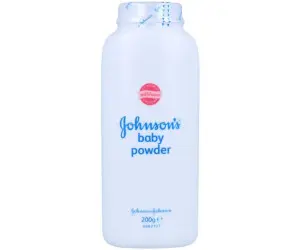
Johnson Baby Talcum Powder has long been a household name, associated with baby care and hygiene. However, recent developments surrounding the product have sparked widespread concern and debate regarding its safety. With numerous lawsuits and public health discussions emerging, it is crucial for consumers to understand the situation and its implications.
Recent Events and Lawsuits
In recent years, Johnson & Johnson (J&J) faced an increasing number of lawsuits alleging that its baby powder products contain talc contaminated with asbestos, a known carcinogen. Plaintiffs claim that prolonged use of these products has led to serious health conditions, including ovarian cancer. As of 2023, J&J has already settled thousands of claims but continues to contest the validity of many others.
In July 2021, J&J announced its decision to stop selling its talc-based baby powder in North America, citing changing consumer preferences and the impact of the litigation. Instead, the company plans to pivot towards cornstarch-based alternatives, triggered by the controversies surrounding its talc products. Reports indicate that the company will also explore restructuring for its talc liabilities, with a potential bankruptcy filing to ease the financial strain from ongoing lawsuits.
Public Reaction and Health Implications
The controversies surrounding Johnson Baby Talcum Powder have led to divided opinions among the public. While some parents have chosen to stop using the product altogether, others remain loyal, citing its long-standing reputation for quality and effectiveness. Health experts recommend that consumers be cautious and consider alternative baby powder options, especially those made from cornstarch, which do not carry the same risks associated with talc.
The legitimacy of using talc-based products continues to be questioned. According to studies, inhalation of talc powder can pose respiratory risks, especially to infants. Therefore, the American Academy of Pediatrics advises against using talc-based powders on babies to mitigate potential hazards.
Conclusion
The ongoing issues surrounding Johnson Baby Talcum Powder highlight the importance of consumer awareness regarding health and safety concerns in personal care products. Parents are urged to stay informed and choose products aligned with their health and safety standards. As Johnson & Johnson transitions to alternative formulations, the efficacy and safety of these new products will come under scrutiny. Moving forward, increased transparency and consumer education will be essential in restoring confidence in baby care products.
