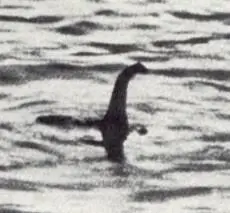
Introduction to Loch Ness
Loch Ness, located in the Scottish Highlands, is one of the most famous bodies of water in the world, often synonymous with the legend of Nessie, the elusive Loch Ness Monster. This vast freshwater lake, approximately 23 miles long and over 700 feet deep, draws millions of curious tourists and dedicated researchers each year. Recent advancements in technology and scientific investigations have reignited interest in this ancient legend, making Loch Ness a focal point for discussions about myth, science, and environmental conservation.
Recent Events and Scientific Research
In September 2023, a multinational team of scientists launched a comprehensive exploration of Loch Ness as part of the Loch Ness Project. Utilising advanced sonar and environmental DNA (eDNA) sampling techniques, researchers aim to ascertain the lake’s biodiversity and search for signs of larger-than-life creatures. The project has garnered worldwide attention, especially after a series of enigmatic sonar readings were captured during preliminary surveys.
In addition to searching for Nessie, the ongoing studies focus on the ecological health of Loch Ness, which is vital given its role as a natural habitat. The researchers collected soil, water, and sediment samples to assess the presence of various species, enhancing our understanding of this unique ecosystem. The collaboration includes experts from marine biology, ecology, and even folklore studies, showcasing the interdisciplinary nature of modern science.
The Legend of Nessie
Belief in the Loch Ness Monster dates back over 1,500 years, with reports detailing sightings of a large creature resembling a plesiosaur. Despite numerous investigations and explorations since the 1930s, including photographs, sonar mappings, and even drone surveillance, conclusive evidence of Nessie’s existence remains elusive. Each reported sighting only fuels the legend, making Loch Ness a cultural icon beyond Scottish mythology.
Conclusion: Loch Ness Today
As interest in Loch Ness continues to grow, the recent scientific explorations not only aim to uncover the truth behind its legendary monster but also echo a broader interest in preserving natural resources. While the question of whether Nessie exists may remain unanswered, initiatives like the Loch Ness Project are critical in ensuring that future generations can engage with both the myth and the environment surrounding this historic lake. Whether one approaches Loch Ness with the lens of science, folklore, or ecological preservation, it undoubtedly remains a captivating enigma with much more yet to be uncovered.
