Introduction
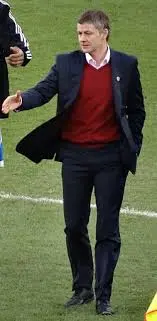
Ole Gunnar Solskjær, a name synonymous with Manchester United, has had a profound impact on the club both as a player and manager. His tenure as manager was marked by highs and lows, reflecting the challenges faced in modern football. This story not only highlights his contributions to the iconic team but also serves as a reminder of the ever-evolving nature of football management.
The Rise of Solskjær
Solskjær joined Manchester United as a player in 1996 and became a fan favourite for his extraordinary knack for scoring crucial goals, famously netting the dramatic winner in the 1999 UEFA Champions League final. After retiring, he transitioned into coaching, eventually leading United’s reserves before returning to Norway to manage Molde FK. His successful tenure there caught the attention of Manchester United, leading to his appointment as interim manager in December 2018 following José Mourinho’s dismissal.
Managerial Achievements
Initially seen as a caretaker, Solskjær’s impact was immediate. He led the team on a remarkable unbeaten run, revitalising the squad and restoring belief among players and fans alike. His promotion to permanent manager came in March 2019. Under his guidance, Manchester United secured a spot in the 2020 UEFA Champions League, with notable victories against elite teams including Paris Saint-Germain. Additionally, Solskjær helped guide United to the Europa League final in 2021, although they ultimately fell to Villarreal.
Challenges and Departure
Despite these successes, Solskjær faced relentless pressure in the competitive landscape of the Premier League. Increasingly disappointing performances, including a particularly heavy defeat to Liverpool in October 2021, led to mounting scrutiny of his tactics and team selection. In November 2021, after a series of lacklustre results, Manchester United announced that Solskjær had been relieved of his duties, marking the end of his managerial journey with the club.
Conclusion
Ole Gunnar Solskjær’s time at Manchester United encapsulates the highs and lows of football management. His legendary status as a player remains intact, though his managerial role proved challenging amid the club’s quest for consistency and silverware. Looking ahead, Solskjær’s future in football remains uncertain; however, his passion for the game and knowledge will likely see him back on the sidelines. For Manchester United fans, this chapter serves as a cautionary tale of the volatility of football management, reminding us of the importance of patience and long-term vision within the beautiful game.
