Introduction
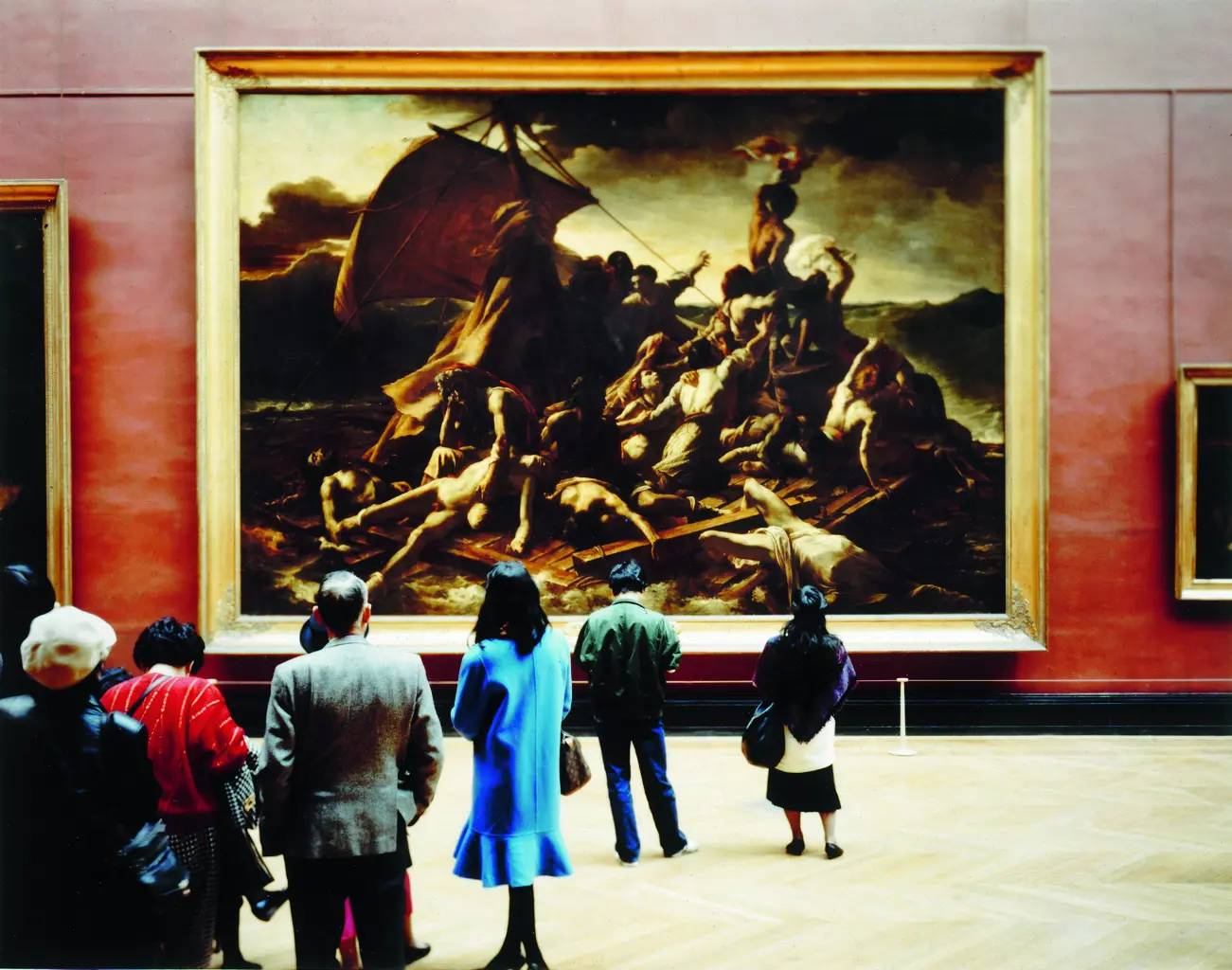
The Louvre, located in Paris, France, stands as one of the most significant cultural institutions in the world. Its vast collection not only represents centuries of artistic achievement but also encapsulates a rich historical narrative that draws millions of visitors each year. Opened to the public in 1793 during the French Revolution, the Louvre has evolved from a royal palace into a beacon of art, history, and culture, impacting global perspectives on the arts.
The Louvre’s Collection
Home to over 380,000 objects, the Louvre’s collection spans from ancient civilizations through to the 19th century. Notable highlights include Leonardo da Vinci’s Mona Lisa, the ancient Greek statue Venus de Milo, and the Winged Victory of Samothrace. The museum showcases various antiquities, as well as paintings, sculptures, and decorative arts from diverse cultures across the globe. Recently, the Louvre welcomed contemporary works as part of its ongoing commitment to highlight modern artistry alongside classical masterpieces.
Recent Developments
In 2023, the Louvre has been making headlines not only for its art exhibits but also for its efforts in sustainability and digitisation. The museum has unveiled an ambitious plan to reduce its carbon footprint by implementing energy-saving initiatives and increasing its use of renewable energy sources. In addition, the Louvre is enhancing its digital presence, launching virtual tours and digital exhibitions to engage a wider audience beyond the confines of its physical location.
The Global Impact of the Louvre
The Louvre’s influence transcends its physical boundaries. It serves as an educational platform, promoting cultural exchange and inspiring future generations of artists and historians. Additionally, the museum hosts numerous partnerships with institutions around the world, facilitating loans and exhibitions that enrich the global understanding of art history.
Conclusion
As the Louvre prepares for its 230th anniversary in 2023, its significance remains undeniably profound. The museum not only preserves and showcases invaluable works of art but also fosters a greater appreciation for cultural heritage around the world. Visitations continue to rise, suggesting a sustained interest in the arts and history. Looking ahead, the Louvre is set to redefine its role in contemporary culture while remaining a sanctuary for art lovers, historians, and curious minds alike.
