Introduction
O.J. Simpson remains one of the most polarising figures in American culture, seamlessly transitioning from a celebrated sports icon to a controversial media personality. His journey encapsulates significant themes in American life, from the realms of sports to issues of race and justice. Understanding Simpson’s impact provides a lens through which to examine broader societal questions.
A Star is Born
Orenthal James “O.J.” Simpson was born on July 9, 1947, in San Francisco, California. He forged a remarkable career as a football running back, primarily playing for the Buffalo Bills in the NFL. Between 1969 and 1977, Simpson achieved numerous accolades, including being named the NFL MVP in 1973. He was also the first player to rush for more than 2,000 yards in a single season, a milestone that cemented his legacy in sports history.
Transition to Television and Film
Following his retirement from football, Simpson successfully transitioned to acting, appearing in various films and television shows, most notably in the popular “Naked Gun” series. His charm and charisma made him a household name, further amplifying his presence in pop culture. Despite his professional success, Simpson’s life took a tumultuous turn in the 1990s, marked by personal scandals and legal woes.
The Trial of the Century
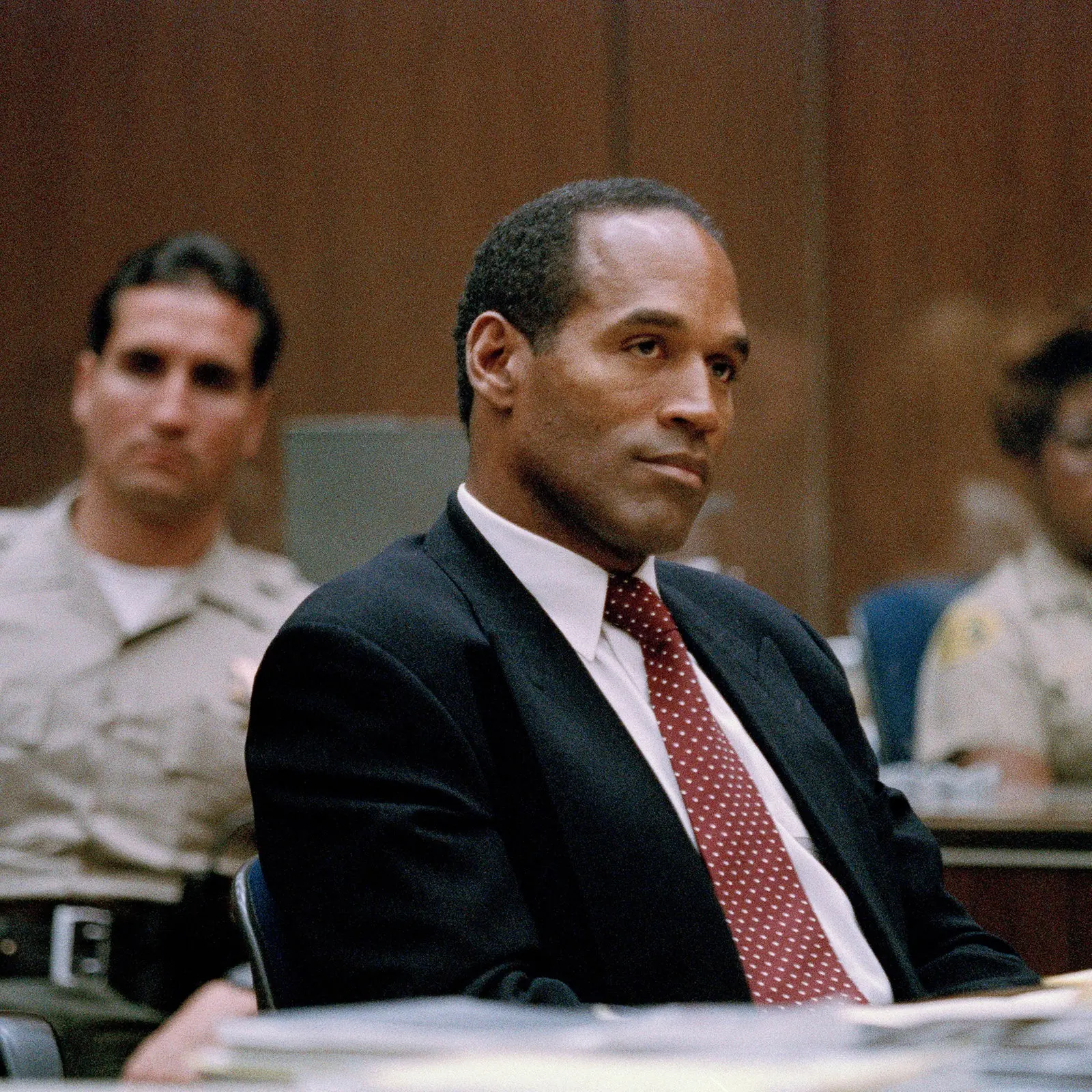
Simpson’s notoriety peaked during the 1994 events surrounding the murder of his ex-wife Nicole Brown Simpson and her friend Ron Goldman. His subsequent arrest and highly publicised trial captivated the nation, leading to discussions about race, domestic violence, and the justice system. The trial concluded in 1995 with Simpson’s acquittal, a verdict that remains controversial and divisive. The public’s reaction spotlighted deep-seated racial tensions in America and the complexities surrounding celebrity culture.
Later Life and Challenges
In 2007, Simpson faced legal challenges again, this time related to an armed robbery in Las Vegas, for which he was convicted and sentenced to 33 years in prison. He was released in 2017, after serving nine years. Since then, he has occasionally resurfaced in the media, sharing his views on various topics but often facing scrutiny and backlash.
Conclusion
OJ Simpson’s life story embodies a unique intersection of sports, entertainment, and the complexities of American society. His legacy is one of both remarkable achievement and profound controversy. As discussions continue around race and justice in contemporary America, Simpson’s narrative serves as a crucial reference point. The lessons from his life remain relevant, inviting ongoing discourse about the implications of celebrity, justice, and public perception. For readers, reflecting on Simpson’s journey can encourage critical thinking about the socio-cultural landscape of the United States.
