Introduction
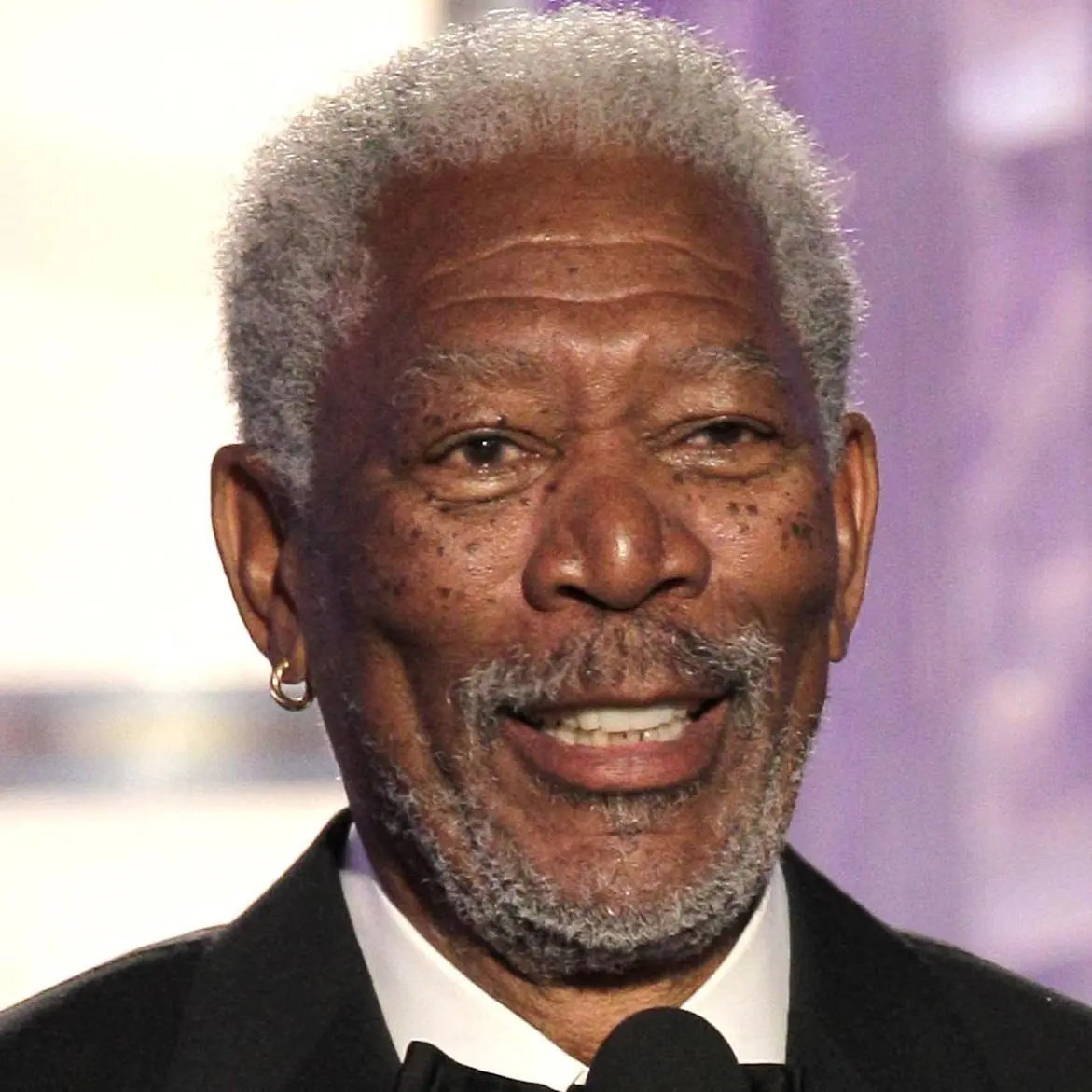
Morgan Freeman is a name synonymous with excellence in the film industry. Born on June 1, 1937, in Memphis, Tennessee, he has navigated a remarkable journey, cementing his status as one of Hollywood’s most respected actors. His rich baritone voice and commanding presence have made him a favourite in numerous films, earning him accolades and a dedicated fan base. As Freeman remains a prominent figure in cinema and beyond, it is essential to explore his significant contributions and the impact he continues to have.
Early Life and Career
Freeman’s early life was marked by challenges, including growing up in a segregated community. He initially pursued acting during his school years, later studying drama at Los Angeles City College. His professional career began in theatre, which provided him the grounding needed for his film roles. He gained wider recognition with his role in the 1989 film “Driving Miss Daisy,” for which he received an Academy Award nomination.
Iconic Roles and Achievements
The 1990s and 2000s would see Freeman deliver legendary performances in films such as “The Shawshank Redemption” (1994) and “Se7en” (1995). His ability to portray profound characters brought him critical acclaim, including an Oscar for Best Supporting Actor for his role in “Million Dollar Baby” (2004). Beyond acting, Freeman has also taken on roles as a director and producer, showcasing his versatility in the industry.
Impact on Cinema and Society
Freeman’s contributions extend beyond film; he is also known for his voice-over work, lending gravitas to documentaries and commercials alike. His work has often tackled important social issues, elevating discussions around race, justice, and equality. Outside of Hollywood, Freeman has used his platform to advocate for various causes, including education and disaster relief efforts. As a result, he embodies the ideal that artists can influence social change.
Conclusion
In an ever-evolving entertainment industry, Morgan Freeman continues to defy age and stereotypes, maintaining his relevance and influence. His storied career is a testament to passion, resilience, and the power of storytelling. Looking ahead, Freeman is set to star in several upcoming projects, ensuring that he remains a vital part of popular culture. As audiences engage with his work, they not only witness his artistic contributions but also the broader narratives he champions. Freeman’s legacy is one that will undoubtedly inspire future generations of actors and filmmakers.
