Introduction
John Wayne, one of the most iconic figures in American cinema, has left an indelible mark on the film industry and popular culture. Known for his rugged masculinity and strong on-screen presence, Wayne’s contributions to western films and his portrayal of heroic characters have made him a lasting symbol of American values. His films continue to resonate with audiences today, reflecting themes of bravery, patriotism, and resilience.
Rise to Fame
Born Marion Robert Morrison on May 26, 1907, in Winterset, Iowa, John Wayne’s journey to stardom began in the early 1920s. His breakthrough came with the silent film ‘The Big Trail’ in 1930, but it was the rise of the ‘talkies’ that truly catapulted him into fame. He became the quintessential figure in westerns, featuring in classics such as ‘Stagecoach’ (1939) and ‘The Searchers’ (1956). Wayne’s roles often portrayed the archetypal American hero, embodying bravery and a no-nonsense attitude that appealed to audiences during trying times, including World War II.
Contributions to Film and Culture
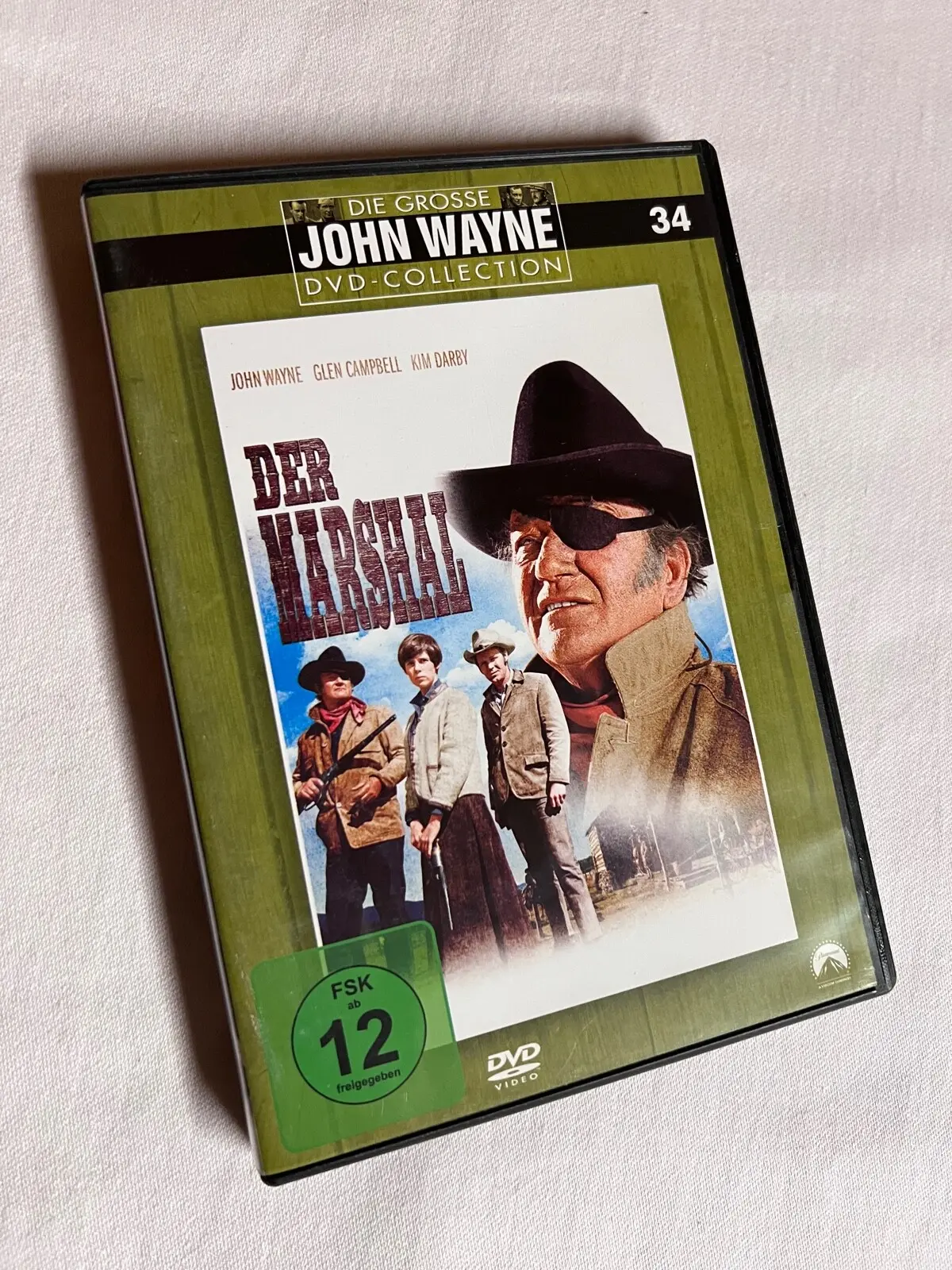
Wayne’s impact extends beyond acting; he was also a producer and director. His production company, Batjac Productions, gave rise to films that showcased his philosophy and patriotism. Notable works include ‘True Grit’ (1969), for which he won the Academy Award for Best Actor. Wayne’s persona was so influential that it shaped the genre itself, establishing traits that would define Western films and influence generations of filmmakers and actors.
Controversies and Personal Beliefs
However, Wayne’s legacy is not without its controversies. His views on race and politics sparked various debates over the years, especially due to his outspoken opinions during the civil rights movement. Critics argue that his statements reflect the problematic aspects of his identity as a symbol of old American ideals. Nevertheless, his portrayal of complex characters navigating moral dilemmas has continued to spar discussions about masculinity and heroism in film.
Conclusion
John Wayne passed away on June 11, 1979, but his influence on film and culture remains strong. With over 170 films to his credit, Wayne has become synonymous with the Western genre and continues to inspire performers and filmmakers alike. As we celebrate his contributions, it is crucial to understand the broader implications of his work and persona in the context of evolving American values. Wayne’s films still attract viewership, highlighting how iconic his role as a cinematic hero has become, shaping how audiences view not only history but also the concepts of heroism and America itself.
