Introduction
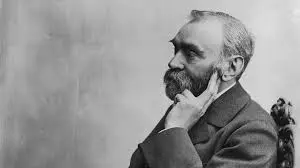
Alfred Nobel, a Swedish chemist, engineer, and inventor, is perhaps best known as the founder of the Nobel Prizes. His contributions to science, particularly in the field of explosives, and his later efforts to honour those who positively impact humanity, have left an indelible mark on the world. Understanding Nobel’s life is crucial in grasping the significance of the awards named after him, which continue to promote excellence in various fields.
Who Was Alfred Nobel?
Born on October 21, 1833, in Stockholm, Sweden, Nobel displayed an early interest in chemistry and literature. He studied in various countries including Sweden, France, and the United States and soon embarked on a career that led him to invent dynamite in 1867. This invention, while significant for construction and mining, also brought about widespread destruction when used in warfare.
Nobel’s Later Life and Philanthropy
As Nobel witnessed the destructive capabilities of his inventions, particularly during the wars of the late 19th century, he began to contemplate his legacy. In 1888, when a French newspaper mistakenly published an obituary for Nobel, calling him the “merchant of death,” he was reportedly struck by the idea of how he would be remembered. This prompted him to dedicate his fortune to establish the Nobel Prizes, which reward advancements in peace, literature, chemistry, physics, and medicine.
The Nobel Prizes
Established by his will in 1895, the Nobel Prizes were first awarded in 1901. Each recipient is recognised for their contributions that benefit humanity, a stark contrast to the destruction caused by Nobel’s inventions. The Peace Prize, awarded to individuals or groups who work towards reducing conflict and promoting peace, embodies Nobel’s intention to leave a positive impact on the world.
The Significance of Alfred Nobel Today
Alfred Nobel passed away on December 10, 1896, but his legacy persists through the Nobel Prizes. The awards continue to spotlight breakthroughs that not only redefine scientific frontiers but also elevate stories of human compassion and resilience. Over the years, they have evolved into some of the most prestigious recognitions globally, inspiring countless individuals and organisations to strive for excellence and positive change.
Conclusion
Alfred Nobel’s life journey from inventor to philanthropist illustrates a profound transformation influenced by a quest for meaning beyond material wealth. As society faces contemporary issues, the ethos behind the Nobel Prizes serves as a reminder of the importance of innovation paired with ethical responsibility. Future generations may look to his story, not merely as that of a man who invented explosives, but as one of a visionary who sought to better the world and to hold humanity accountable for its actions.
