Introduction
Charlene Wittstock, a prominent figure in contemporary royalty, has garnered international attention not only as the wife of Prince Albert II of Monaco but also as a former Olympic swimmer. Her journey from the swimming pools of South Africa to the decorated halls of the Monaco Palace illustrates a unique blend of athletic prowess and royal duty. Understanding her contributions and societal influence is vital in the context of modern royalty.
Early Life and Swimming Career
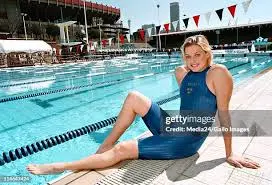
Born on January 25, 1978, in Bulawayo, Zimbabwe, but raised in Pretoria, South Africa, Charlene developed a passion for swimming at an early age. Her talent propelled her to represent South Africa at the 2000 Sydney Olympics, where she competed in the 4×100 metre medley relay and 100 metre freestyle events. Beyond her Olympic aspirations, Wittstock was a national champion and won multiple titles, establishing herself as an elite athlete.
Transition to Royalty
Charlene’s path to royalty began when she met Prince Albert II at a swimming event in Monaco in 2000. Their relationship blossomed over the years, despite seeing challenges, including intense public scrutiny. The couple wed on July 2, 2011, in a lavish ceremony that highlighted the historical ties of Monaco and showcased the couple’s commitment to each other and their future roles. As Princess of Monaco, Charlene has dedicated herself to various charitable causes, particularly those focusing on children’s health and education.
Significant Initiatives and Impact
As a royal, Charlene Wittstock took up humanitarian work, founding the Charlene Wittstock Foundation in 2012, aimed at promoting the prevention of drowning and educating young people about swimming. Her interest in child safety and health has led her to take on numerous public engagement roles, addressing issues like education for disadvantaged youth. Additionally, she has participated in initiatives which represent Monaco on the international stage, aligning with Prince Albert’s belief in environmental protection and sustainability.
Recent Developments
In recent years, Charlene has faced personal challenges, including health issues that have kept her away from public appearances. Nevertheless, her resilience has been evident to the public. Insights from Monaco highlight that she remains an influential figure, managing her responsibilities both as a royal and as a mother to twins Jacques and Gabriella, born in 2014.
Conclusion
Charlene Wittstock’s transition from an Olympic swimmer to a respected royal signifies an evolving role of modern princesses in the public eye. Her dedication to humanitarian causes not only reflects her values but also reinforces the royal family’s relevance in today’s society. As public interest continues to follow her journey, the lessons from her life portray a narrative of strength, commitment, and influence that resonates beyond the glamour of royalty.
