Introduction
Michael Portillo, a prominent figure in British politics and television, has shaped a significant part of the UK’s political landscape and cultural identity. Born on May 26, 1953, in Bushey, Hertfordshire, Portillo served as a Conservative Member of Parliament and held several cabinet positions under Prime Minister John Major. His journey from the corridors of power to the television screen illustrates the dynamic nature of public life, making his story particularly relevant today, especially amidst ongoing conversations surrounding political influence and media engagement.
Political Career
Portillo first entered Parliament in 1984, representing the Enfield Southgate constituency. His ascent in the Conservative Party was swift; he became a key member of Major’s Cabinet in 1995, holding the position of Secretary of State for Defence. His tenure saw him navigating crucial issues, including the implications of the collapse of the Soviet Union and the NATO expansion. The 1997 general election was a significant turning point in Portillo’s political career, resulting in a surprising defeat that marked the end of the Major government and led to a period of introspection for him.
Transition to Television
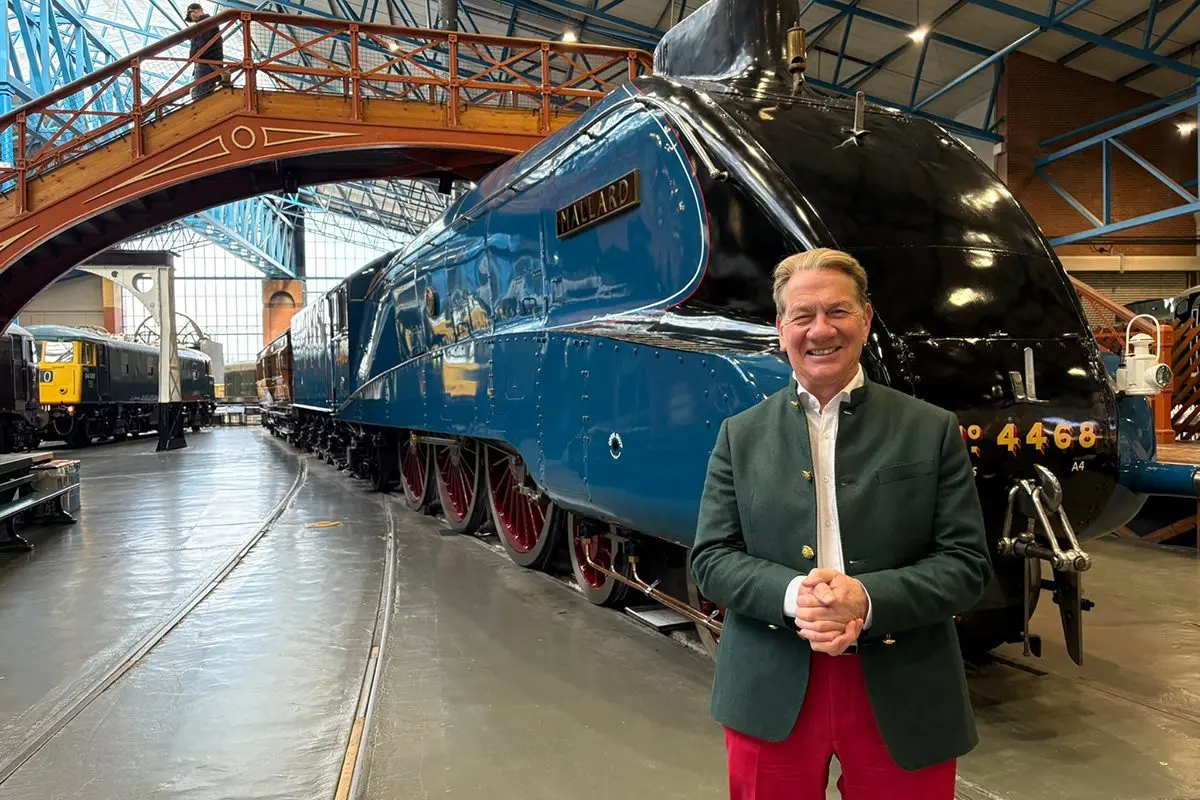
After his parliamentary career, Portillo made a remarkable transition to television. His engaging personality and articulate insights quickly made him a popular presenter, especially known for the BBC series ‘Great British Railway Journeys’. In this programme, Portillo combines historical exploration with personal reflections, taking viewers on journeys across Britain while shedding light on the social and political contexts of the locations he visits. This ability to connect with audiences has revived interest in history and heritage across generations.
Current Relevance
Portillo remains a vital voice in British media, often appearing as a commentator on political affairs. He provides insight into the evolving political landscape, particularly during crises such as Brexit and the COVID-19 pandemic. His experiences and analysis can be invaluable to understanding contemporary governance, offering a unique perspective shaped by his own experiences in power.
Conclusion
Michael Portillo’s journey from a key political figure to a beloved television personality underscores the multifaceted nature of public life in modern Britain. His efforts to bridge political discourse with media engagement highlight the importance of accessible dialogue in a democratic society. As British politics continues to evolve, Portillo’s insights and narratives remain significant for both current and future generations, cementing his position as a notable figure in contemporary British culture.
