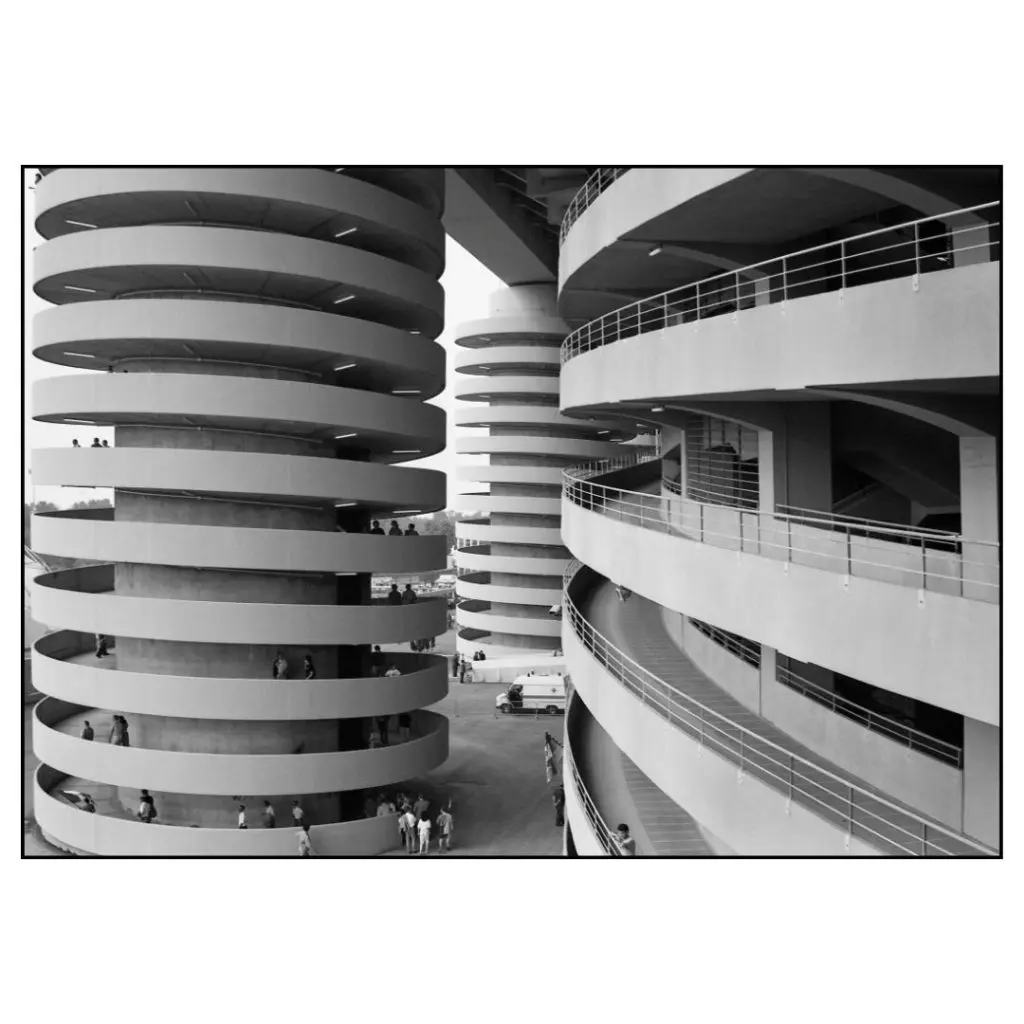
Introduction to San Siro
San Siro, officially known as Stadio Giuseppe Meazza, is one of the most iconic football stadiums in the world, located in Milan, Italy. Opened in 1926, it has been the home ground for two of Italy’s most prominent football clubs, AC Milan and Inter Milan. The importance of San Siro extends beyond just football; it represents a cultural and historical landmark for Milan and its residents.
Historical Significance
Renowned for its unique architecture and passionate atmosphere, San Siro has hosted numerous significant matches, including UEFA Champions League finals and international fixtures. The stadium has a seating capacity of approximately 75,000, making it one of the largest in Europe. Its rich history includes hosting legendary players and memorable moments, solidifying its reputation as a temple of football.
Recent Developments
In recent news, the future of San Siro has become a hot topic as AC Milan and Inter Milan have proposed plans for a new stadium. The clubs aim to build a state-of-the-art facility to provide a modern experience for fans while maintaining the cultural significance of the original San Siro. The city of Milan is currently evaluating these proposals, which could lead to the demolition of the existing stadium.
Significance of Future Plans
The decisions made regarding the future of San Siro will have lasting implications for the clubs and their supporters. While some fans celebrate the prospect of a new arena, others express a desire to preserve the historical character of the current venue. The ongoing discussions reflect broader themes in sports today, including concerns about heritage versus modernity and the financial impacts of stadium ownership.
Conclusion
As discussions continue, the fate of San Siro remains at the forefront of Italian football. With both AC Milan and Inter Milan pushing for new developments, the outcome will likely reshape the landscape of football in Milan. The debate captures the hearts of fans around the world, highlighting the stadium’s role not just as a sports venue but as a beloved symbol of Milanes culture and history. Looking ahead, how the clubs navigate this transition will define the legacy of San Siro for future generations.
