Introduction
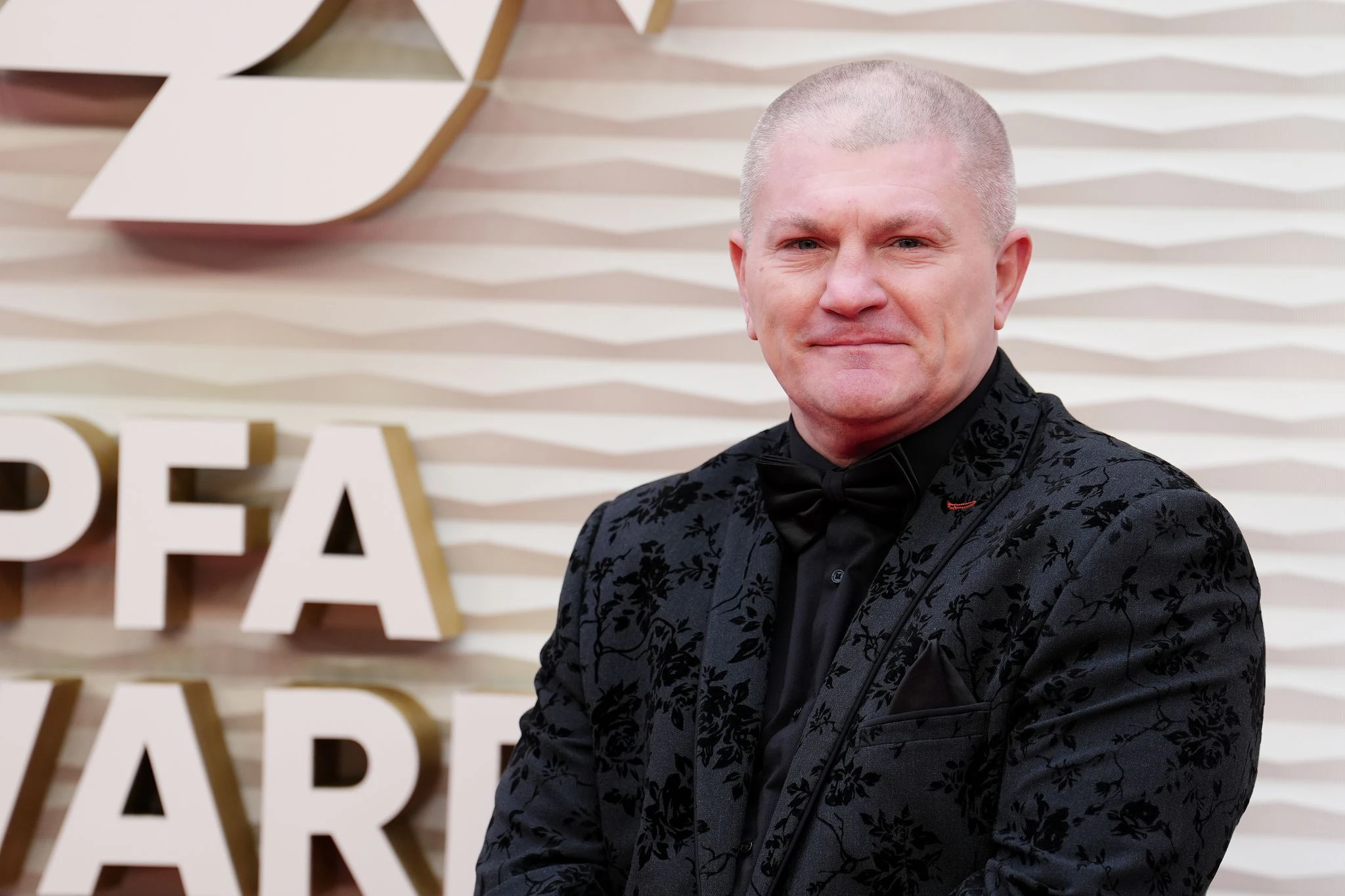
Ricky Hatton, a prominent figure in the world of boxing, has made a significant mark both in and out of the ring. Born on October 6, 1978, in Manchester, England, Hatton’s journey began at a young age and quickly evolved into a professional career that would captivate fans worldwide. Known for his fierce fighting style, tenacity, and relatable personality, Hatton remains a beloved figure even years after his retirement. His relevance today continues to inspire new generations of fighters and boxing enthusiasts alike.
The Rise to Fame
Hatton turned professional in 1997 and rapidly garnered attention for his relentless approach and knockout power. He captured the WBU light-welterweight title in 2001, followed by impressive wins that established him as a formidable competitor on the world stage. His most notable achievements include the IBF and WBA light-welterweight titles, as well as the WBC welterweight title. Hatton’s showdown against Floyd Mayweather Jr. in 2007, though ending in a loss, further solidified his status as a household name. The electrifying atmosphere of his fights, especially in his hometown and the iconic Las Vegas venues, created a loyal fanbase that still resonates today.
Impact Beyond Boxing
Outside of his boxing exploits, Ricky Hatton has contributed significantly to charitable causes. His commitment to helping the less fortunate was highlighted through various initiatives, particularly during the COVID-19 pandemic. He has openly discussed his mental health struggles, advocating for awareness and encouraging others to seek help, thus shifting the narrative around mental health in sports. His willingness to share personal experiences has made a lasting impact and has helped reduce the stigma associated with these issues.
Recent Developments
Recently, Hatton returned to the ring for an exhibition match in November 2022, which showcased his affection for the sport and his fanbase. Many speculate about potential future exhibitions or bouts, further fueling discussions around his enduring legacy in boxing. Despite the years away from competitive boxing, Hatton’s name still resonates in conversations about the sport’s greats.
Conclusion
Ricky Hatton’s legacy as a boxer is undeniable. His rise from humble beginnings to the pinnacle of boxing and his subsequent work in advocacy has made him a role model for many aspiring athletes. Looking forward, his influence is projected to continue, inspiring upcoming fighters and reminding fans of the power of determination and resilience in sports. As we await what lies ahead for Hatton, one thing is certain: his contribution to boxing and society will always be remembered.
