Introduction
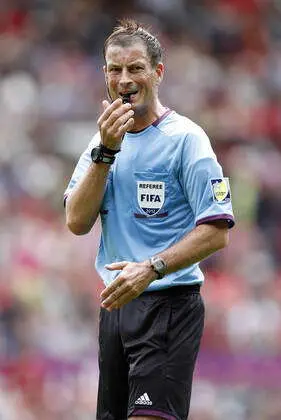
Mark Clattenburg, a celebrated figure in football, is renowned for his significant contributions as a referee in high-stakes matches across Europe and internationally. His career, which spans over 13 years, has established him as one of the top referees in the sport, earning praise for his decision-making, innovation, and poise under pressure. Understanding his role in football officiating not only sheds light on the evolution of this critical position but also highlights the challenges faced by referees today.
Career Highlights
Clattenburg’s professional journey began in 2000 when he officiated his first match in the English Football League. His reputation quickly grew, leading to his debut in the Premier League in 2004. Throughout his career, he officiated numerous significant tournaments, including the UEFA Champions League, the FIFA World Cup, and the UEFA European Championship. One of his most memorable matches was the 2016 FA Cup Final between Crystal Palace and Manchester United, where he was praised for his assurance in handling a tense match that went to penalties.
In 2016, Clattenburg was selected to officiate the Euro 2016 final between Portugal and France, marking a pinnacle in his career. His performance in that match underscored his status as one of the elite referees in the world, demonstrating his ability to manage high-pressure situations effectively. Furthermore, he was appointed to officiate the 2017 FIFA Club World Cup Final, further solidifying his legacy in international football.
Innovations and Impact
Mark Clattenburg has often been associated with various innovations in refereeing. Notably, he has been an advocate for the introduction of Video Assistant Referee (VAR) technology, which aims to assist officials in making more accurate decisions. His insights into the pressures faced by referees, combined with his experiences, have contributed positively to discussions around improving officiating standards in football.
Challenges Faced
Despite his accolades, Clattenburg’s career has not been without challenges. Refereeing at the highest levels exposes officials to immense scrutiny and criticism from players, teams, and fans alike. Over the years, Clattenburg has spoken openly about the toll that this pressure takes on referees’ mental health and the need for better support systems within the sport. He advocates for a more respectful environment where officials are able to perform without fear of excessive backlash.
Conclusion
Mark Clattenburg’s impact on football officiating is profound and far-reaching. As a leading figure in refereeing, his career experiences and advocacy for positive change have paved the way for future officials. Looking ahead, Clattenburg’s work continues to inspire new generations of referees, promoting a greater understanding of the complexities of the role and the importance of respect for referees in the game. As the landscape of football evolves, Clattenburg’s legacy remains a vital part of the ongoing discussion on officiating standards and innovations within the sport.
