Introduction
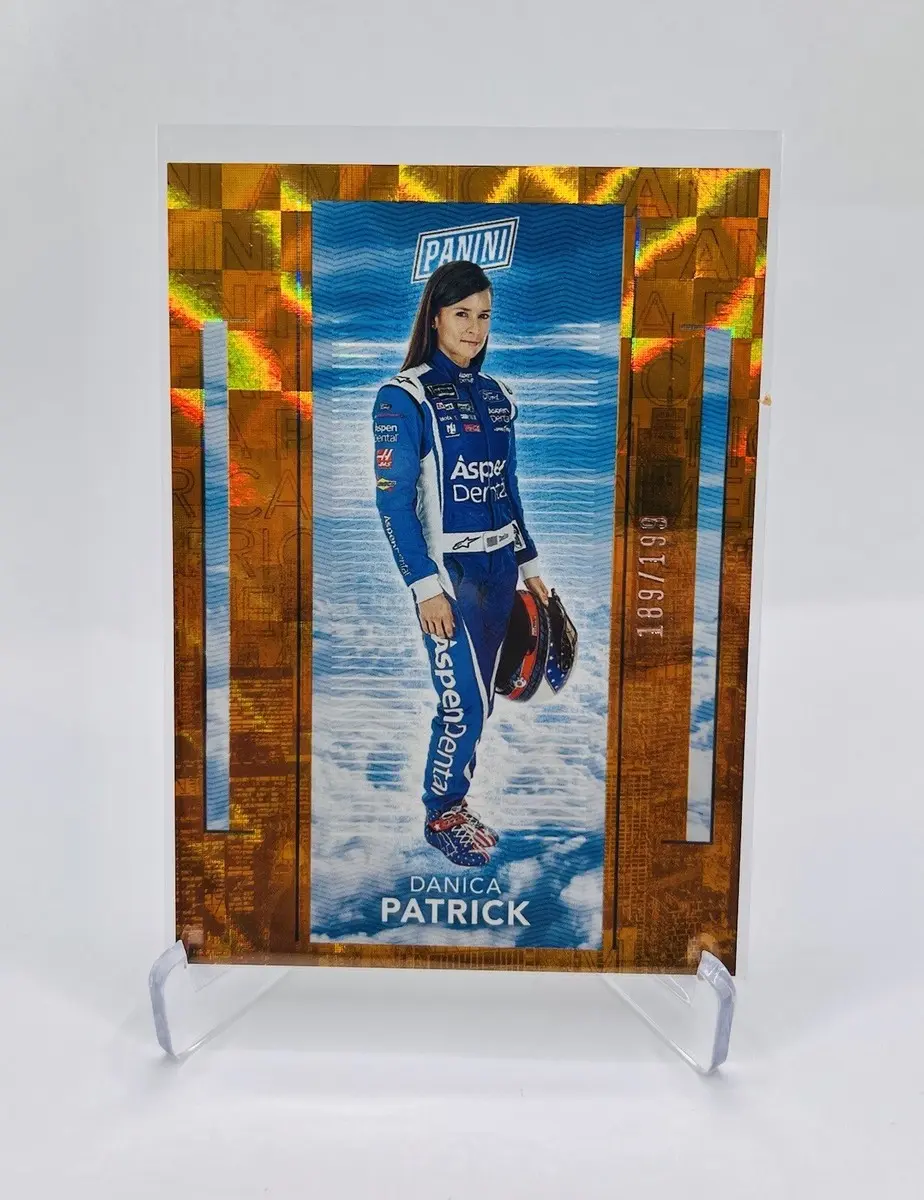
Danica Patrick, an iconic figure in the world of motorsports, has left an indelible mark on the sport, not just for her achievements on the racetrack, but also for her role in advancing the inclusion of women in a traditionally male-dominated industry. Her journey from karting to the IndyCar Series and NASCAR has inspired countless aspiring drivers globally, making her a crucial figure in contemporary motorsport discussions.
Career Overview
Born on March 25, 1982, in Beloit, Wisconsin, Patrick began her racing career at a young age, competing in go-karting before moving to more competitive motorsport arenas. She gained prominence in the early 2000s, particularly during her time in the IndyCar Series, where she made history by becoming the first woman to lead laps in the Indianapolis 500 in 2005, finishing in fourth place – a remarkable achievement that brought her widespread recognition.
In 2008, she secured her first and only IndyCar victory at the Japan 300, becoming the first female driver to win an IndyCar race. Patrick later transitioned to NASCAR, where she continued to break records and stereotypes, undertaking the challenge of a different racing series that added to her diverse and groundbreaking career. At the same time, she maintained a significant presence in the media, with her personality and charisma capturing the attention of fans and non-fans alike.
Recent Events and Contributions
Since retiring from professional racing in 2018, Danica Patrick has remained influential within and outside of racing. She hosts a podcast called “Pretty Intense,” where she discusses various topics, from physical health and nutrition to the pressures of life and career choices. Moreover, she has launched her own healthy lifestyle brand and continues to advocate for female empowerment in sports.
In 2023, Patrick expressed her desire to see more women in competitive racing and has been involved in initiatives aimed at encouraging young female drivers to pursue their passion for motorsports, highlighting her commitment to mentoring the next generation.
Conclusion
Danica Patrick’s legacy in motorsports is significant, as she has transcended the role of a driver to become a powerful symbol of change and progress in a male-dominated arena. As motorsport continues to evolve, her efforts in advocacy and representation remind us of the importance of diversity and passion in all sports. Looking ahead, her influence is expected to inspire not just future female drivers but also push the boundaries for inclusivity across competitive racing disciplines.
