Introduction
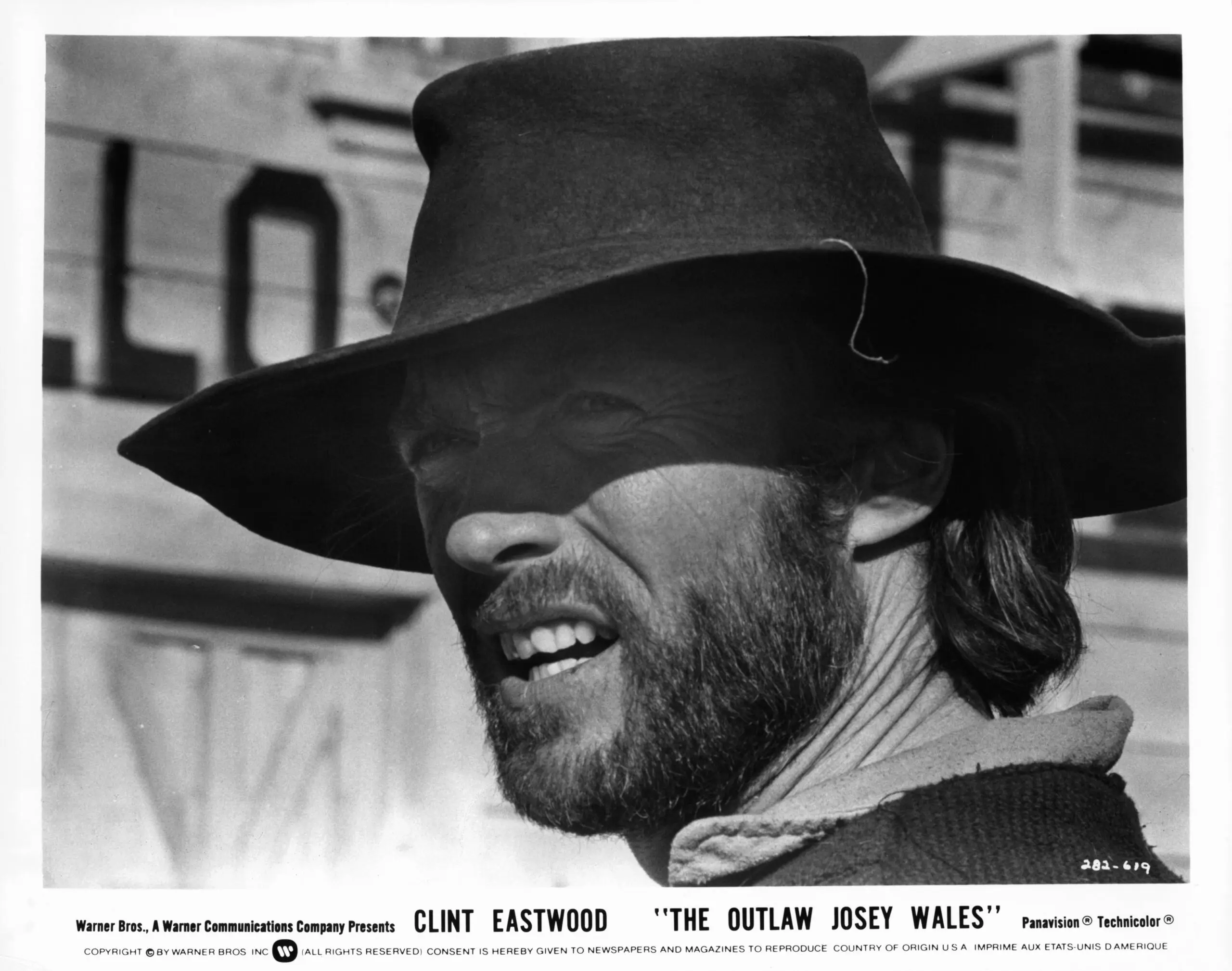
Clint Eastwood is a name synonymous with American cinema. Renowned not only for his iconic roles but also for his achievements behind the camera, Eastwood has had an indelible influence on the film industry over the past six decades. His blend of rugged masculinity, captivating storytelling, and strong moral themes resonates with audiences both young and old, making him a cultural icon.
Early Life and Career
Born on May 31, 1930, in San Francisco, California, Clint Eastwood rose to fame through his roles in westerns, particularly during the 1960s. He gained significant recognition as ‘Joe’ in Sergio Leone’s ‘Dollars Trilogy’, which included classics such as ‘A Fistful of Dollars’ and ‘The Good, the Bad and the Ugly’. These films redefined the western genre and established him as a leading man in Hollywood.
Directorial Success
Beyond acting, Eastwood’s prowess as a director has garnered critical acclaim. His directorial debut came in 1971 with ‘Play Misty for Me’, but it was films like ‘Unforgiven’ and ‘Million Dollar Baby’ that truly showcased his talent behind the camera. ‘Unforgiven’, which won four Academy Awards including Best Picture and Best Director, marked a significant shift in how the western genre was perceived, presenting a more nuanced, moral narrative.
Recent Work and Influence
Even in his nineties, Eastwood continues to work actively in the film industry. His latest projects, such as ‘Cry Macho’ (2021), and the upcoming film ‘Juror #2’, demonstrate his enduring passion and skill for filmmaking. These later films often reflect themes of redemption, loss, and the complexities of human relationships, affirming Eastwood’s place as a storyteller who resonates with contemporary audiences.
Conclusion
Clint Eastwood’s contributions to cinema extend beyond his on-screen performances. His work as a director and producer has influenced a generation of filmmakers and actors. As he continues to create films, he remains a steadfast figure in the landscape of American cinema, inspiring both admiration and respect. For future generations, his films and legacy will likely serve as important touchstones in the evolution of storytelling in film.
