Introduction
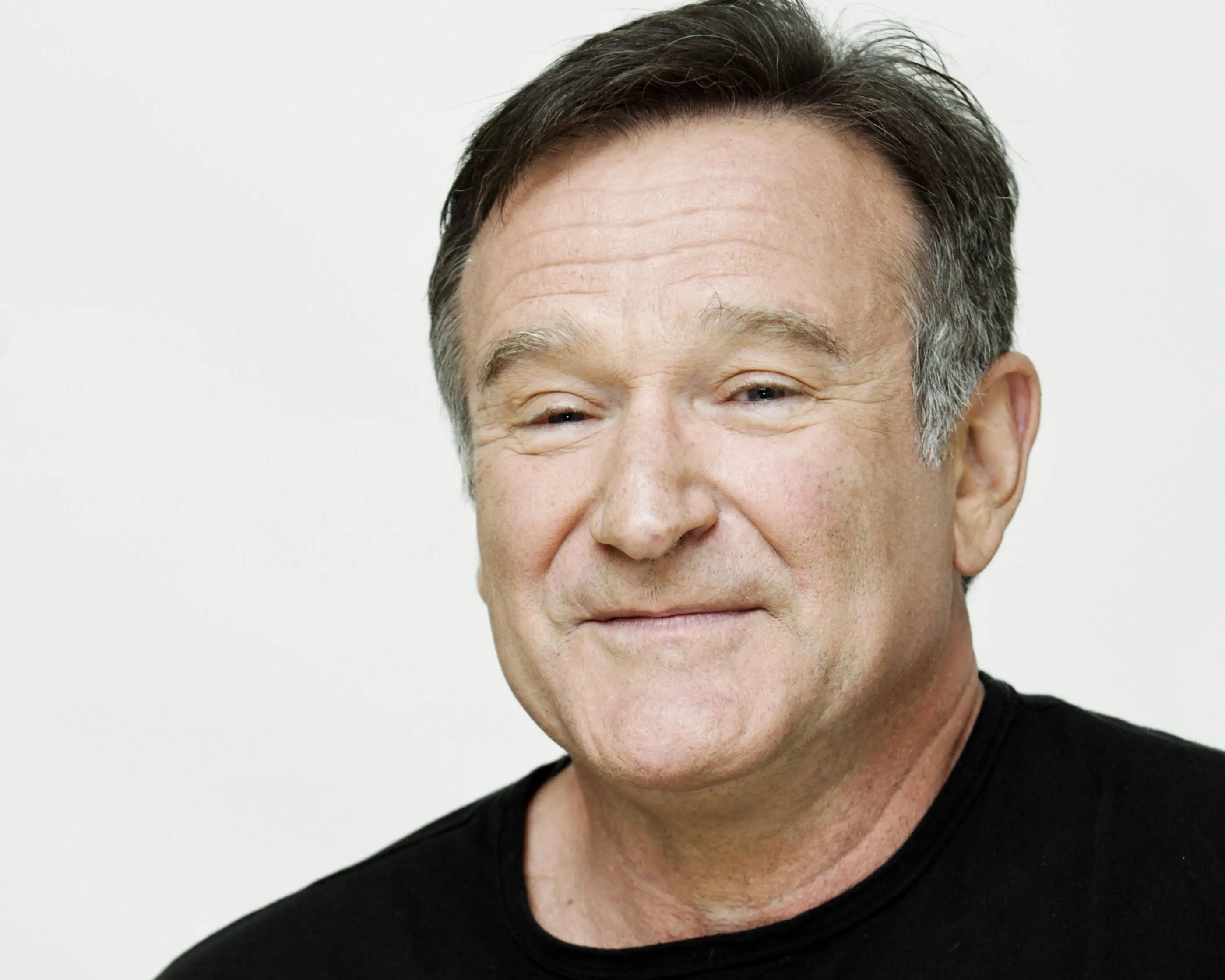
Robin Williams, a name synonymous with laughter and empathy, continues to resonate in the hearts of many even years after his passing. As one of the most beloved comedians and actors of his time, Williams brought joy to countless lives through his roles in films and stand-up performances. His unique ability to blend humour with poignant reflections on life has made him a figure of both entertainment and inspiration. Understanding his impact goes beyond just his career; it also sheds light on important discussions surrounding mental health.
Career Highlights
Born on July 21, 1951, Williams began his career in stand-up comedy during the 1970s, quickly rising to fame through his energetic and improvisational style. His breakout role came in the television series Mork & Mindy, where he played an eccentric alien, earning him widespread acclaim. Williams’s film career took off in the 1980s with hits like Good Morning, Vietnam and Dead Poets Society, showcasing his ability to handle both comedy and drama with equal finesse. He won an Academy Award for Best Supporting Actor for his performance in Good Will Hunting, solidifying his status as a Hollywood legend.
Impact on Mental Health Awareness
Beyond his work on screen, Williams’s life was also marked by struggles with mental health, including depression and anxiety. His candidness about these challenges gave many fans the courage to seek help and engage in conversations about mental health. After his death in 2014, it was revealed that he had been battling Lewy body dementia, a diagnosis that further emphasised the importance of understanding mental health issues. Since then, numerous initiatives have emerged aimed at reducing the stigma surrounding mental health, inspired in part by the struggles Williams faced.
Conclusion
The legacy of Robin Williams is one that goes beyond entertainment—it is intertwined with a crucial message about mental health. As people continue to celebrate his work and remember his larger-than-life persona, it is essential to also honour his contributions to mental health awareness. By discussing and addressing the issues he faced, we can help further the conversation and continue to make strides in seeking understanding and compassion for those battling similar struggles. Williams taught us that through laughter and love, we can navigate the complexities of life. His influence remains as relevant today as it ever was, and his spirit will undoubtedly continue to inspire generations to come.
