Introduction
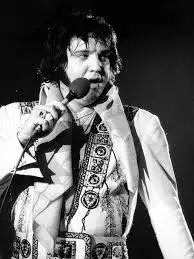
Elvis Presley, known as the King of Rock and Roll, stands as one of the most significant cultural icons of the 20th century. His influence on music, fashion, and popular culture remains relevant even decades after his passing. With an extensive career that initiated in the mid-1950s, Presley’s unique blend of musical styles altered the landscape of contemporary music and inspired countless artists that followed. Understanding his legacy is essential for grasping the evolution of modern rock music.
The Rapid Rise to Fame
Presley’s journey to stardom began in 1954 when he recorded his first single, “That’s All Right,” at Sun Records in Memphis. The recording was groundbreaking, combining country music with rhythm and blues, laying the foundation for the rock genre. Elvis’ charismatic performances and good looks captured the attention of America, leading to a series of hit records, including “Heartbreak Hotel” and “Hound Dog.” As his fame skyrocketed, he became a household name and a cultural phenomenon.
Impact on Music and Culture
Elvis not only popularised rock music but also broke down racial barriers by integrating African American musical influences into mainstream media. His performances challenged social norms and pushed boundaries in a segregated America, contributing to the cultural shifts of the era. With a colourful personal life marked by both triumph and tragedy, Presley also became emblematic of the American Dream, achieving monumental success while grappling with the pressures of fame.
Recent Celebrations and Commemorations
In recent years, Elvis Presley’s legacy continues to be celebrated worldwide. 2022 marked the 45th anniversary of his passing, which saw events and tributes take place at his Graceland estate in Memphis, attracting fans from around the globe. Additionally, a successful biopic detailing his life was released in 2022, propelling a new generation to explore his music and impact. The film, starring Austin Butler, has received critical acclaim and reignited interest in Presley’s rich catalogue of hits.
Conclusion
Elvis Presley remains an enduring figure in music history, representing a pivotal moment in the evolution of popular culture. His artistry transcends generations, and his music is still celebrated today. As new artists emerge and the music landscape changes, Presley’s influence is undeniable, reminding us that great artistry can break barriers and resonate for decades. Looking forward, it will be fascinating to see how upcoming generations continue to honour his legacy and draw inspiration from his groundbreaking work.
