Introduction
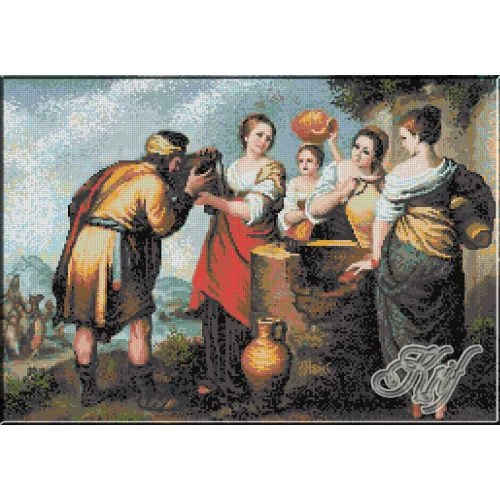
Murillo, a prominent painter of the Baroque period, is known for his emotive religious imagery and depictions of everyday life. His work has not only shaped the Spanish art landscape but has also left a profound impact on contemporary artistic expression. Understanding Murillo’s relevance today highlights the timelessness of his themes and techniques.
Murillo’s Artistic Contributions
Born in Seville in 1617, Bartolomé Esteban Murillo became renowned for his ability to capture human emotion and divine grace. His mastery of light and colour created a sense of warmth and spirituality in his works, notably in paintings such as ‘The Immaculate Conception’ and ‘The Young Beggar’. These pieces showcase his innovative approach to naturalism, making him a pivotal figure in the transition between the late Renaissance and the Baroque style.
Murillo’s works often featured themes of poverty, piety, and compassion, portraying not only the reverence of religious figures but also the dignity of the common people. This focus on humanity resonates deeply with contemporary audiences, as artists today grapple with similar social themes in an era of rapid change.
Murillo’s Influence on Modern Artists
Fast forward to the 21st century, and Murillo’s influence can be seen across various art movements and styles. Modern artists such as Kehinde Wiley and Yinka Shonibare have drawn upon his techniques, recontextualising classical ideas in their work. Murillo’s ability to intertwine realism with idealism continues to inspire. His fondness for depicting social realism encourages current artists to explore themes of identity and community.
The museums housing his works, such as Museo del Prado in Madrid and the National Gallery in London, have also seen a resurgence in interest as galleries find new ways to present his art, often pairing it with contemporary dialogues that highlight its enduring significance.
Conclusion
Murillo’s legacy remains vibrant and relevant; as today’s artists navigate complex social landscapes, his work offers a wellspring of inspiration rooted in emotional depth and social consciousness. As the discourse around art continues to evolve, it is clear that the lessons learned from Murillo’s approach to creativity will persist, illuminating the paths for future generations of artists. His fusion of beauty with social commentary makes him not just a historical figure but a vital component of the contemporary art conversation.
