Introduction
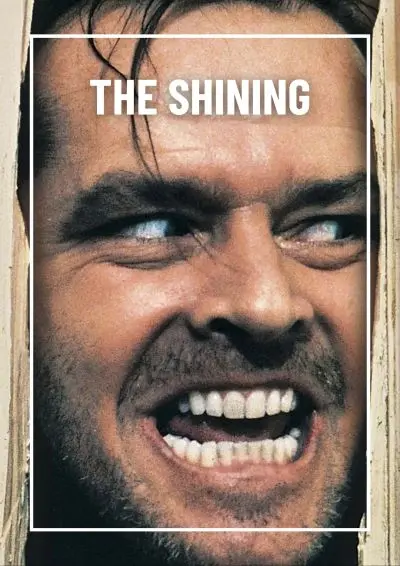
‘The Shining’, originally a novel by Stephen King published in 1977, has become a cornerstone of horror literature and film. Its adaptation into a film directed by Stanley Kubrick in 1980 has further cemented its place in the horror genre. The importance of this work lies not only in its chilling narrative but also in its exploration of themes such as isolation, mental illness, and the struggle against one’s inner demons. As we continue to grapple with these themes in modern society, the relevance of ‘The Shining’ remains significant today.
The Evolution of ‘The Shining’
The narrative follows Jack Torrance, a writer and recovering alcoholic who takes a job as the winter caretaker of the haunted Overlook Hotel. As the isolation sets in, Jack’s mental state deteriorates, leading to violent and terrifying events. The film adaptation, known for its striking visuals and haunting score, has become a staple in horror cinema. Recently, the work has seen renewed interest due to discussions surrounding psychological horror and the impact of isolation during the COVID-19 pandemic. Popular online streaming platforms have reported a surge in viewers revisiting the film, prompting critical discussions about its themes and symbolism.
Recent Developments and Cultural Significance
In addition to its recent resurgence in popularity, ‘The Shining’ continues to influence contemporary filmmakers and writers. Notable directors have cited Kubrick’s adaptation as a key inspiration for their own work in the horror genre. The film’s unique cinematography and unsettling atmosphere have led to further analysis in film studies curricula, ensuring that ‘The Shining’ remains in academic discourse. Furthermore, recent adaptations and spin-offs, including a sequel film titled ‘Doctor Sleep’, demonstrate the lasting impact of King’s original story and its ability to evolve with the times.
Conclusion
‘The Shining’ serves as a mirror reflecting societal fears and the complexities of the human psyche. As contemporary issues such as mental health and social isolation remain at the forefront of public conversation, the relevance of this timeless story is ever-present. Its ability to provoke thought and unease ensures that ‘The Shining’ will continue to resonate with audiences for years to come, reinforcing its status as a classic in both literature and film.
