Introduction
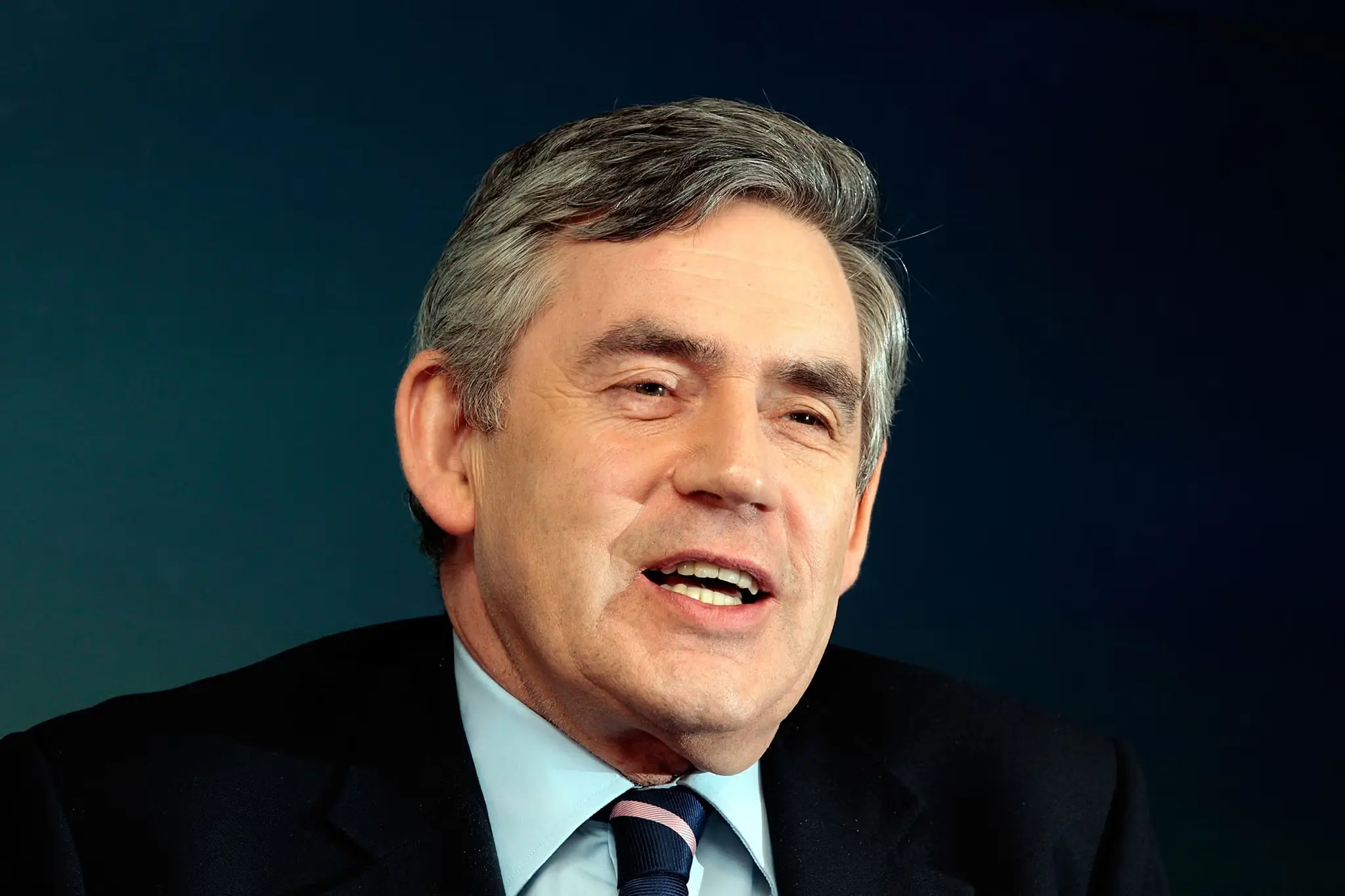
Gordon Brown, former Prime Minister of the United Kingdom from 2007 to 2010, remains a pivotal figure in British politics. His leadership during challenging times, especially during the global financial crisis, has shaped public opinion and economic policy in the UK. As debates on economic recovery and social welfare intensify, understanding Brown’s contributions and ideologies is crucial for contemporary discussions.
Brown’s Political Journey
Born on February 20, 1951, in Giffnock, Scotland, Gordon Brown began his political career as a Member of Parliament (MP) in 1983. He quickly rose through the ranks of the Labour Party, serving as Chancellor of the Exchequer from 1997 to 2007 under Prime Minister Tony Blair. During his tenure, Brown implemented significant reforms, including measures to reduce child poverty and improve education funding.
His past as Chancellor positioned him critically during the 2008 financial crisis, where he played a vital role in averting a deeper recession through aggressive fiscal stimulus and banking reforms. This period solidified his reputation as a pragmatic leader adept at crisis management, although his later years as Prime Minister were marred by economic challenges and leadership criticisms.
Contributions Beyond Politics
Since leaving office, Gordon Brown has continued to influence global policy, particularly in the realms of education and health. He has been a vocal advocate for global vaccination initiatives, especially highlighted through his participation in campaigns aimed at combating COVID-19. His leadership at the World Health Organization’s initiative underscores his commitment to ensuring equitable access to healthcare.
Additionally, Brown has been active in improving education access for children worldwide, launching initiatives to support education in developing countries. His humanitarian efforts have garnered international praise, reinforcing his legacy as a leader concerned with global welfare beyond national borders.
Conclusion
Gordon Brown’s legacy in UK politics is one of resilience and reform. His proactive measures during economic turmoil and his sustained commitment to global issues continue to resonate in public policy discussions today. As Britain faces new challenges, including post-pandemic recovery and social inequality, Brown’s insights and experiences remain relevant, providing a roadmap for future leaders. Understanding his impact aids in shaping a discourse that honours the past while looking forward to sustainable solutions for the future.
