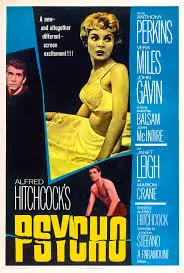
Introduction to Psycho
Alfred Hitchcock’s Psycho, released in 1960, is regarded as one of the most significant films in the history of cinema. Its profound impact on the thriller genre and film-making techniques marked a transformative era in storytelling, challenging societal norms surrounding horror and suspense. As the 60th anniversary of this groundbreaking film approaches, it continues to evoke discussions around its themes of identity, madness, and morality, thus retaining its relevance in modern cinematic discourse.
The Plot and Innovation
Psycho tells the chilling story of Marion Crane, a woman who steals a large sum of money and checks into the eerie Bates Motel, run by the unsettling Norman Bates. What sets the film apart is Hitchcock’s pioneering use of nonlinear storytelling, innovative camera techniques, and the shocking plot twist that subverts audience expectations. The film’s infamous shower scene remains a defining moment in film history, showcasing Hitchcock’s mastery of suspense and psychological manipulation.
Cultural Impact and Legacy
The release of Psycho significantly altered the perception of horror films in popular culture. It was instrumental in introducing darker themes and complex characters, paving the way for future filmmakers to explore psychological horror. The film’s score, composed by Bernard Herrmann, also plays a crucial role, amplifying the tension and fear and becoming a benchmark for horror soundtracks. Over the decades, the film has inspired numerous parodies, homages, and analyses that attest to its enduring influence.
Psycho in Contemporary Cinema
Sixty years later, Hitchcock’s Psycho continues to be a reference point for filmmakers and critics alike. Its profound exploration of the human psyche resonates with contemporary audiences, prompting discussions about mental health and societal issues. Recent remakes and sequels, though met with mixed reviews, highlight the film’s lasting significance in horror cinema. Events such as film retrospectives and academic studies ensure that Hitchcock’s work remains a central part of cinematic education and critique.
Conclusion
Alfred Hitchcock’s Psycho has undoubtedly left an indelible mark on the film industry. By merging psychological complexity with thrilling narratives, it reshaped the horror genre and elevated film as an art form. As new generations discover this classic, the discussions surrounding its themes and innovations will likely persist, solidifying its role in the annals of film history. For both film buffs and casual viewers, Psycho remains an essential watch, reinforcing Hitchcock’s status as the master of suspense.
