Introduction
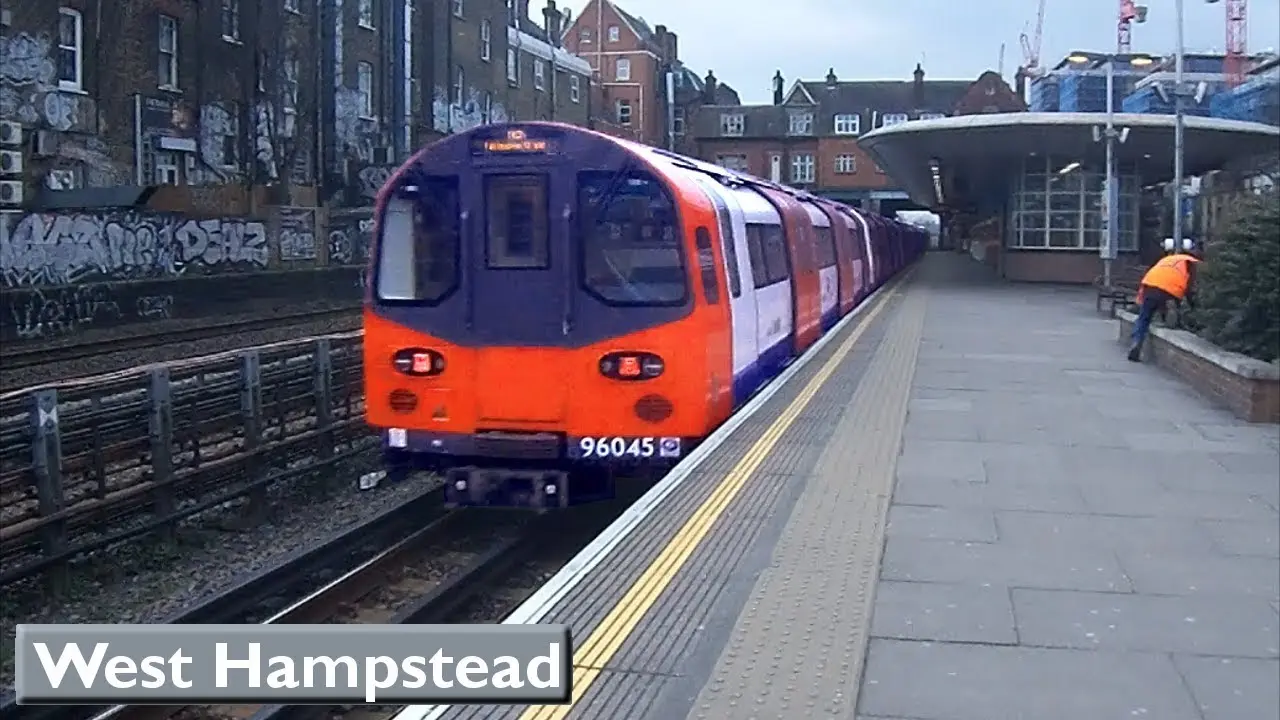
The Jubilee Line, a crucial part of London’s Underground network, offers a vital link for commuters traversing the bustling capital. Established in 1979, this line continues to evolve, reflecting changes in urban development and transport needs. Its significance is underscored by the ongoing efforts to enhance connectivity as London adapts to increasing passenger demands.
A Brief History of the Jubilee Line
The Jubilee Line was originally conceived to alleviate congestion on the system and to serve the newly developed Docklands area. The first stretch opened between Stanmore and Charing Cross in 1979, further extending over the years to provide access to key areas, including Stratford, Canary Wharf, and the O2 arena. The completion of the Jubilee Line Extension in 1999 dramatically improved access to the East End, facilitating economic growth in previously underserved regions.
Recent Developments and Events
In 2023, Transport for London (TfL) announced several upgrades to the Jubilee Line aimed at improving reliability and user experience. This includes the installation of new signal systems, which will allow for more trains to run during peak hours and reduce waiting times for passengers. Furthermore, TfL is investing in accessibility enhancements at several stations, responding to the needs of disabled and elderly commuters.
Amid ongoing challenges related to scheduling and maintenance that arose during the pandemic, officials have prioritised improving service regularity and implementing rigorous cleanliness protocols. The Jubilee Line saw a surge in ridership as London recovered, and measures are in place to ensure its operations keep pace with rising demand.
The Impact on Commuters
As one of the busiest lines in London, the Jubilee Line serves millions of passengers annually. Its comprehensive coverage allows it to connect major business districts, cultural venues, and residential areas, making it integral to daily life in the capital. Enhancements to the line not only improve passenger comfort but are also expected to stimulate local economies around its stations.
Conclusion
With a rich history and ongoing developments, the Jubilee Line remains a cornerstone of London’s transport system. The efforts to modernise and improve the line speak to the city’s commitment to providing efficient and accessible public transport. As London continues to grow, the Jubilee Line is poised to play a vital role in shaping the future of mobility in the capital, ensuring that both residents and visitors have the means to navigate the vibrant metropolis effectively.
