Introduction
Ole Gunnar Solskjær, a name synonymous with passion and resilience in football, has recently been back in the spotlight due to significant developments in his managerial career. Not only is he remembered as a legendary player for Manchester United, but Solskjær has also made a name for himself as a manager. Understanding his journey provides insight into the challenges and triumphs faced in professional football management.
Recent Developments
After parting ways with Manchester United in November 2021 following a disappointing spell, Solskjær has been scrutinising his next steps in the football world. Despite the challenges, he remains a prominent figure, often discussed among football analysts and fans alike. His recent appearances at various football conferences have highlighted his analytical prowess and deep knowledge of the game. Furthermore, there have been whispers regarding a potential return to management, with various clubs reportedly interested in his unique approach to the game.
A Legacy Built on Resilience
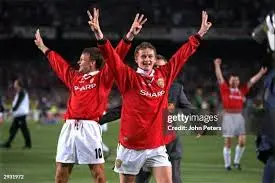
Solskjær’s legacy as a player, particularly his heroics in the 1999 UEFA Champions League final, solidified his status as a Manchester United icon. His transition into management came with high expectations, as he was appointed caretaker manager in December 2018 before clinching the role permanently. Under his leadership, the team showed signs of revitalisation and enthusiasm, achieving a third-place finish in the Premier League during the 2019-20 season and reaching the Europa League final. However, inconsistent performances ultimately led to his departure, prompting discussions about the highly competitive nature of football management.
The Road Ahead
As Solskjær evaluates his future, many analysts believe that his extensive experience and commitment to the sport will stipulate his next move. His focus on developing youth players and fostering a positive team environment remains his hallmark. While questions remain about where he may land next, one thing is certain: Solskjær’s understanding of the game and strategic mindset are valuable assets that could benefit many teams.
Conclusion
The role of a football manager can be perilous, yet Ole Gunnar Solskjær’s journey embodies the spirit of perseverance within the sport. His experiences, both as a player and manager, reflect the highs and lows encountered in football. As Solskjær continues to explore his options, it is clear that his contributions to the game will resonate for years to come. Fans and analysts alike will undoubtedly keep a close eye on his next steps, eagerly anticipating the resurgence of this beloved football figure.
