Introduction
Ole Gunnar Solskjær, a name synonymous with Manchester United, has carved out an impressive legacy in football, both as a player and a manager. His importance in the sport goes beyond simply winning titles; he has influenced a generation of players and fans alike. Understanding his managerial career offers insights into modern football ethics, philosophies, and the pressures involved at the highest level.
Early Career and Playing Legacy
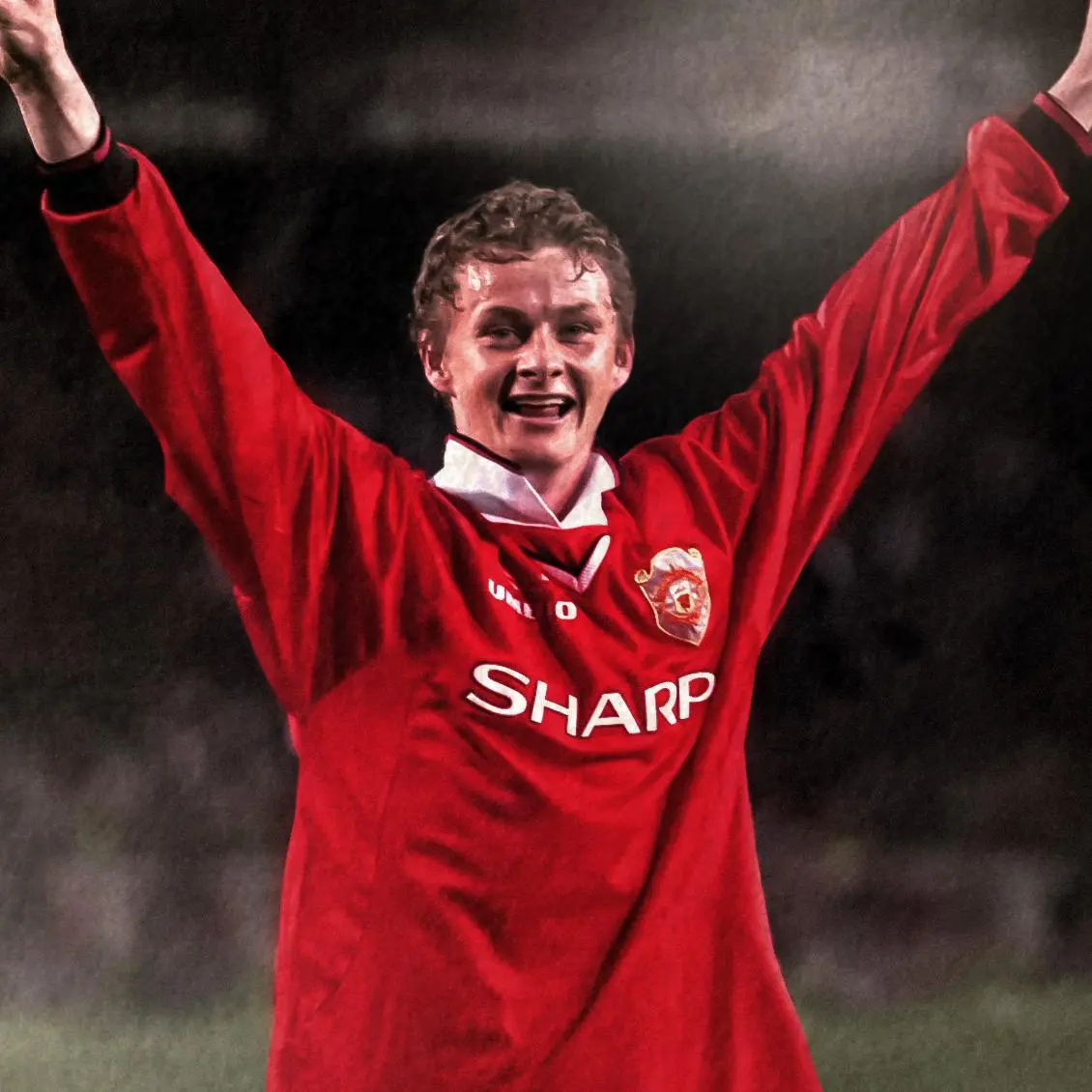
Before becoming a manager, Solskjær was known for his time at Manchester United, where he played from 1996 to 2007. The Norwegian international scored 126 goals in 366 appearances, earning him the nickname ‘Super Sub’ for his knack of scoring crucial late goals. He was a vital part of Sir Alex Ferguson’s squad that won numerous titles, including the Champions League in 1999.
Transition to Management
After retiring, Solskjær began his managerial career in Norway with Molde FK, leading the team to two league titles. His success caught the attention of Manchester United, and he was appointed as interim manager in December 2018, initially to much scepticism. However, Solskjær quickly galvanised the team, steering them to an impressive run of form that earned him a permanent position in March 2019.
Management Philosophy and Challenges
Solskjær’s approach to management is characterized by a focus on youth development, attacking football, and an emphasis on instilling a winning mentality. He sought to integrate young talents such as Mason Greenwood and reusable veterans like Bruno Fernandes into a coherent strategy. His time at United saw ups and downs, including a trip to the Europa League final in 2021 but also faced challenges, culminating in his departure in November 2021 after a string of poor results.
Current Developments and Future Prospects
Since his exit from United, Solskjær has remained quiet in the managerial landscape. However, many pundits believe his experience and knowledge of football will soon land him another high-profile position. Discussions surrounding his potential return have ignited debates among fans and analysts alike, highlighting his reputation and the ongoing impact of his time at one of the world’s biggest clubs.
Conclusion
Ole Gunnar Solskjær remains a significant figure in football, synonymous with the spirit of Manchester United. His managerial journey reflects both the challenges and rewards of football leadership. As he contemplates his future, football enthusiasts continue to anticipate where his expertise will re-emerge, reaffirming his status as a beloved figure in the sport’s history. As clubs search for the right balance of experience and youth, Solskjær’s accomplishments serve as a blueprint for aspiring managers across the globe.
