Introduction
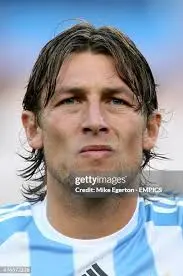
Gabriel Heinze has firmly established himself as a significant figure in the world of football. The Argentine former professional player and current coach is known not only for his defensive prowess on the pitch but also for his tactical acumen off it. As football evolves, Heinze’s dual role as a player and coach emphasises his enduring influence in the sport, making him a relevant figure in contemporary discussions about football strategy and player development.
Heinze’s Playing Career
Born on 19 October 1978 in Rosario, Argentina, Gabriel Heinze began his career with Newell’s Old Boys before making his European debut in 1997 when he joined the Argentine club, which showcased his potential. His move to Europe saw him play for clubs including Paris Saint-Germain, Manchester United, and Real Madrid. During his playing tenure, Heinze was particularly noted for his impressive performances in the defensive line alongside teammates such as Rio Ferdinand. At Manchester United, he won two Premier League titles and the UEFA Champions League in 2008, solidifying his position as a respected player.
Transition to Coaching
After retiring from professional play, Heinze shifted his focus to coaching. He began his coaching career with the Argentine club Argentinos Juniors before moving on to Vélez Sarsfield, where he gained recognition for his ability to elevate the team’s performance in the league. In 2020, he took the helm at Atlanta United in Major League Soccer (MLS), bringing his expertise and knowledge of tactical football to a new audience. His style of play and approach to coaching has often drawn upon his experiences as a player, with an emphasis on defensive organisation and tactical discipline.
Recent Developments
As of October 2023, Heinze has left a significant impact at Atlanta United, working diligently to develop younger players and adapt the club’s strategies to compete effectively within the competitive framework of MLS. Under his guidance, Atlanta United has shown marked improvement, earning a place as a contender in the Eastern Conference. Heinze’s commitment to nurturing talent is evident, with numerous players crediting him for their advancements in skill and understanding of the game.
Conclusion
Gabriel Heinze continues to be an inspiring figure in football, demonstrating the potential for growth and success in both playing and coaching roles. His ability to influence and develop upcoming talent underscores his significance in football discussions today. As the sport evolves, the contributions of seasoned professionals like Heinze will be crucial in shaping future generations of football players and coaches. With his ongoing journey, fans and aspiring footballers alike are eager to see what the next chapter holds for this football icon.
