Introduction
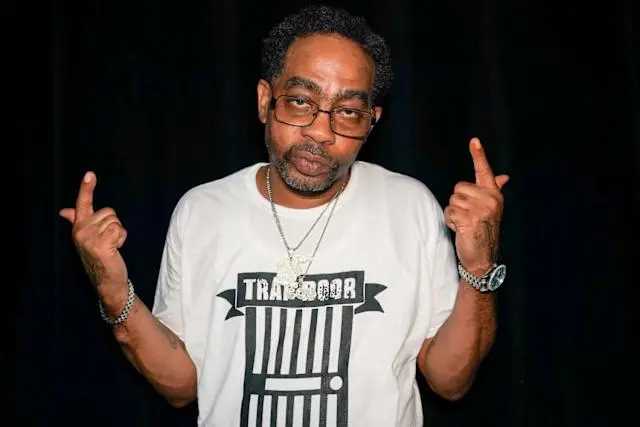
Young Bleed, an influential name in the hip-hop community, has made an indelible mark since his emergence in the mid-1990s. His unique blend of storytelling and Southern rap resonates with a diverse audience, reflecting the struggles and triumphs of young people today. In a world where music frequently serves as a vehicle for social commentary, Young Bleed’s work is especially relevant as it addresses issues like identity, resilience, and societal challenges.
Background and Career Launch
Born in 1975, Young Bleed, also known as Young Bleed the ‘Big Tymer’, hails from Baton Rouge, Louisiana. He gained prominence in the Southern hip-hop scene with his debut album ‘My Balls and My Word’ in 1998, which established him as a formidable figure. The album featured tracks that captured the raw essence of Southern culture and personal experiences, earning him a dedicated fanbase.
Following his debut, Young Bleed continued to release a series of albums that showcased his growth as an artist. Collaborations with renowned artists and producers augmented his visibility in the industry, allowing him to evolve his sound while staying true to his roots. His unique storytelling ability sets him apart, as he often infuses his tracks with real-life experiences that resonate with listeners.
Recent Developments
In recent years, Young Bleed has returned to the spotlight with new music and performances. In 2023, he released a highly anticipated project that not only showcased his lyrical prowess but also involved collaborations with several contemporary artists. This strategic move has allowed him to bridge the gap between generations, inviting a new wave of listeners to discover his music.
Additionally, Young Bleed has embraced digital platforms, connecting with fans through social media and streaming services. This shift has increased his accessibility and visibility, aligning with current trends where artists leverage technology to maintain relevance. His ability to adapt to the evolving music landscape reflects a broader trend where seasoned artists can successfully reach new audiences.
Conclusion
Younger audiences today face unprecedented challenges, making the voice of experienced artists like Young Bleed even more essential. His commitment to authenticity in his music continues to resonate with fans, who value genuine representation of their lived experiences. As he forges ahead in his music career, the impact of his work on empowerment and the dialogue surrounding youth culture will undoubtedly remain significant, serving both as inspiration and connection for listeners navigating their own life journeys.
